
































Caring for your paving
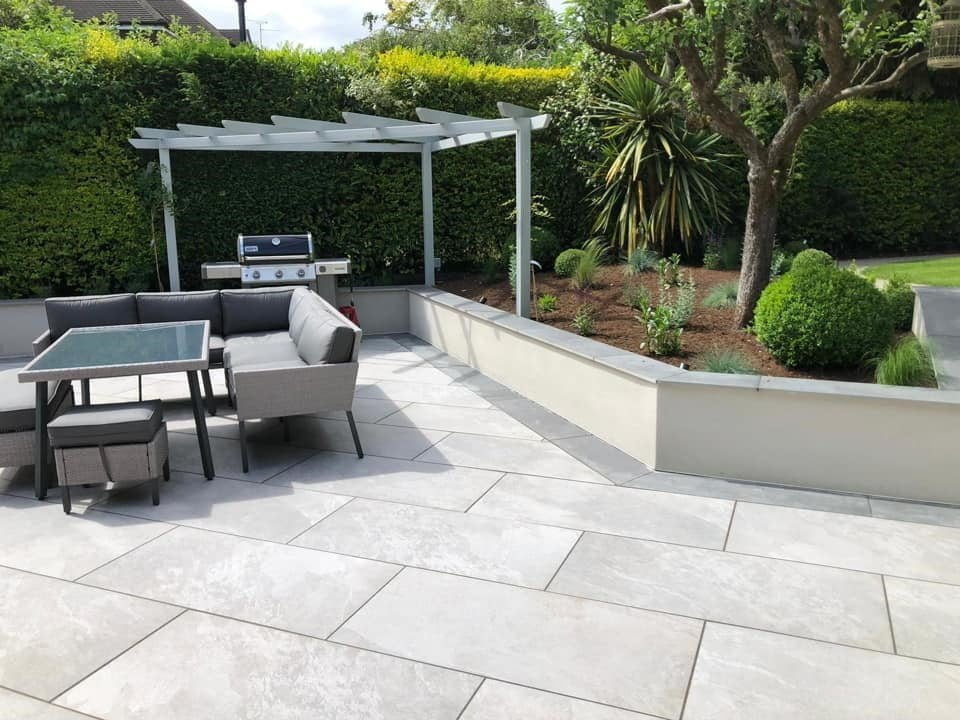
If you’ve invested in a new patio, path or driveway or inherited one when you moved in, you’ll want to take great care of it to keep it looking its best. Taking care of your paving should be it straight forward and well worth the effort.
How to keep my paving clean
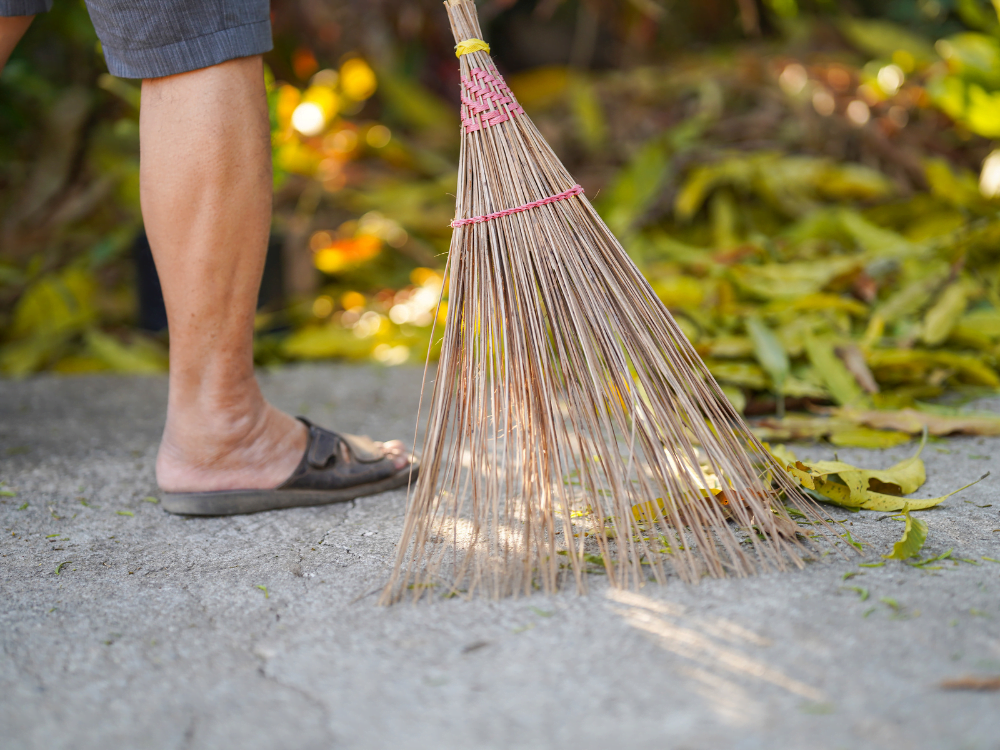
How much your stone will need cleaning all depends on several variables: – the type of stone you have, the position of your garden, over hanging trees etc. Porous paving like some sandstones (especially honed or smooth) in shadier patches will retain more moisture and need cleaning more often. Porcelain and sealed stone will need less cleaning as they are less porous.
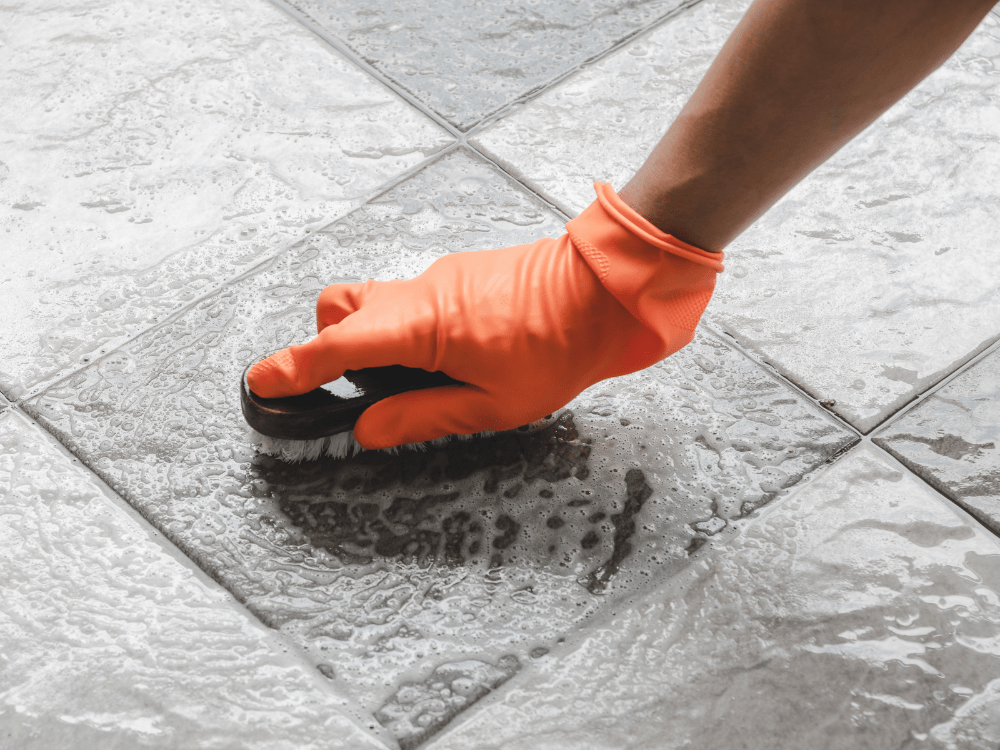
Use a stiff brush with warm soapy water or an all-purpose non-acid based patio shampoo (always checking that it is suitable for your type of paving)
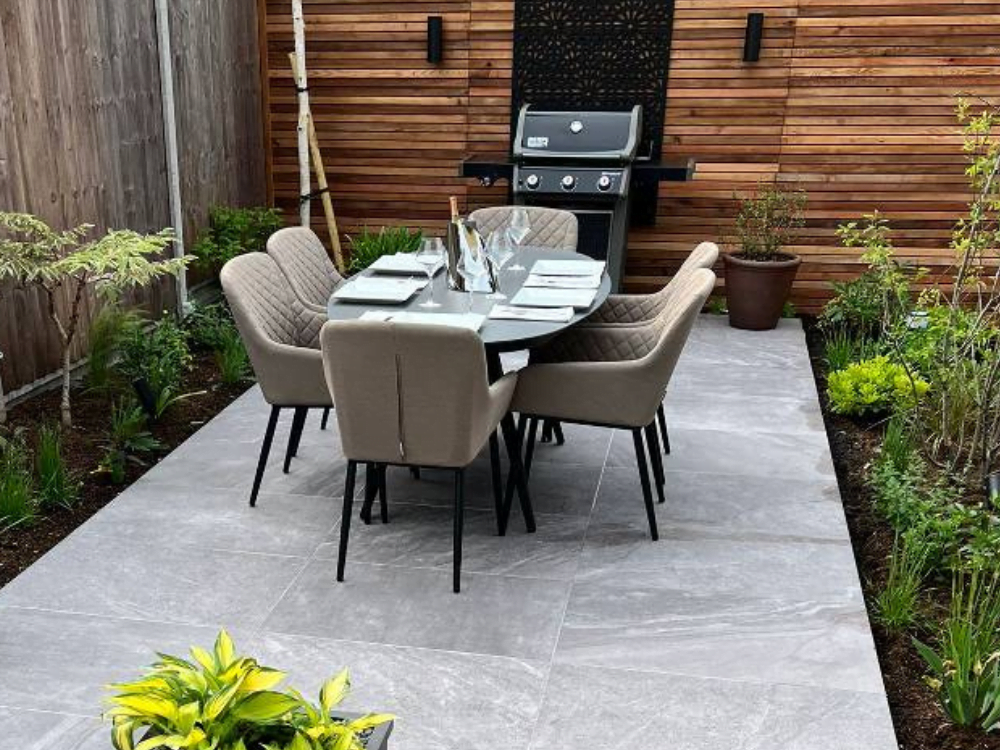
Even for low maintenance choices like porcelain, regular cleaning is still a good idea to keep on top of every day marks left by vehicles, food, grease from barbecues and acidic animal droppings.
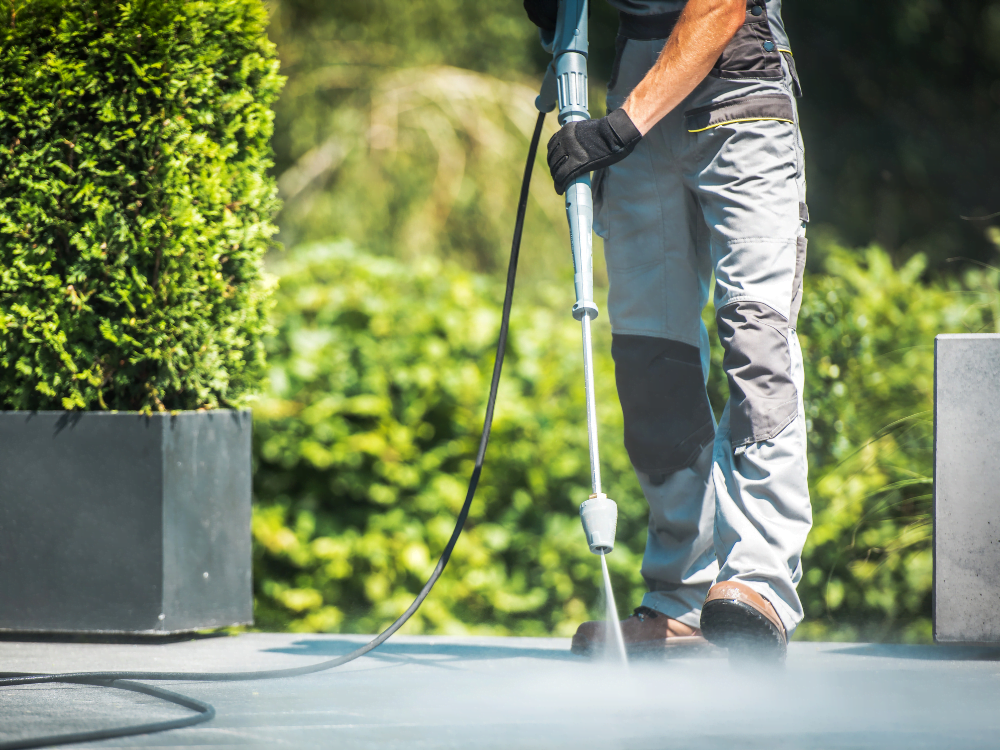
Jet wash with care. Avoid jet washing on full nozzle spray on soft natural stones and be careful to get too close to any joints. Light jet wash concrete only occasionally to avoid damaging the surface of the paving.
Paving trouble-shooter
Occasionally issues may crop up with your paving, either immediately after installation or over time.
Here is a guide to the most common problems we tend to see and how to treat and avoid them.
Likely to be found in:
Natural stone
Concrete
Possible cause:
More porous stones and shady, damper areas are prone to organic growth like algae and moss as they stay wet for longer.
How to treat:
Wash regularly and scrape off thicker growth.
Use a specialist cleaner for stubborn algae and moss, such as Easy Algae Remover.
How to avoid:
Sealing porous stone can be a good idea to help protect it.
Ensure good drainage and an adequate fall in paving (between 1:60 to 1:80 depending on the type of paving, the finish of the surface and size of the area).
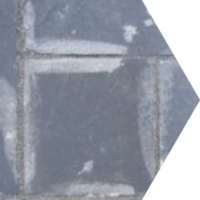
Likely to be found in:
Natural stone
Possible cause:
Cement cleaner or brick acid.
How to treat:
Acid staining is generally permanent and best avoided.
How to avoid:
Be extremely careful when using acid cleaners that you follow the manufacturers’ instructions fully. Never use them on natural stone and seek advice from a professional if you are in any doubt*.
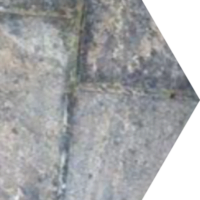
Likely to be found in:
Natural stone
Concrete
Possible cause:
Spores of black lichen land on paving and will develop after two years to form round spots which, if untreated, will grow wider and deeper into the stone paving.
How to treat:
Treating black spot quickly with specialist cleaners such as Patio Black Spot Remover can remove stains effectively. Make sure you choose the right product for your type of paving.
How to avoid:
Patio Black Spot Preventer can be used annually to prevent black spot establishing. Sealing paving will also help prevent black spot from establishing.
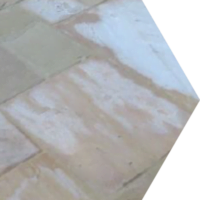
Likely to be found in:
Natural stone
Concrete
Possible cause:
Blooming, efflorescence and ‘salting’ are chemical reactions where naturally occurring salts or deposits in the paving are dissolved in water and make their way out to the surface of the slab. The result is white patches which can be powdery or crystal-like. It can occur spasmodically over time and is more likely when paving is wet and takes a long time to dry.
How to treat:
Blooming and efflorescence are not structural concerns and generally disappear with time. Using Easy Efflorescence Remover+ can treat these deposits but always seek professional advice before using any product, especially when treating limestone*.
How to avoid:
Sealing natural stone can reduce the likelihood of blooming and efflorescence. View our full range of sealers here. If applying a sealer after installation, use a breathable type or wait a minimum of six months for paving to fully dry and for blooming efflorescence to disappear. Find out more on our Pre-Seal service.
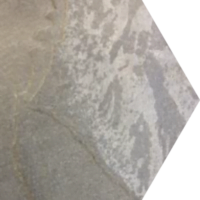
Likely to be found in:
Natural stone
Possible cause:
These tend to be formed from calcium deposits which naturally occur in slate, more typically natural slate. These may be released in damper conditions and come and go over time.
How to treat:
Calcium deposits are a natural and aesthetic characteristic which do not affect the performance of the stone. They can be removed using Easy Mortar Stain and Calcium Remover*.
How to avoid:
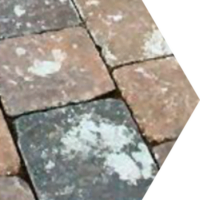
Likely to be found in:
Any paving
Possible cause:
This can occur through accidental slips or spillages during installation.
How to treat:
Use a chisel and wire brush to remove stains, taking extreme care not to scratch the surface. Acid based cleaners can be effective on some concrete or porcelain paving, but NEVER use on natural stone. Non-acid based cleaners such as Easy Mortar Stain and Calcium Remover can be used on most paving. Always follow manufacturers’ instructions carefully to prevent permanent damage*.
How to avoid:
Avoid spillages and work cleanly as you go to avoid any cement or mortar hardening on the paving surface. Pre-sealing stone makes it much easier to clean mortar stains whilst you work.
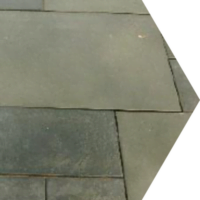
Likely to be found in:
Any paving
Possible cause:
Colour variation is an expected characteristic in any natural stone and one that enhances its appearance. There can also be slight colour variation in batches of concrete and porcelain products due to manufacturing processes. Paving can look patchy in colour if packs haven’t been mixed.
How to treat:
How to avoid:
When laying several packs of the same paving product, always mix randomly when laying, to achieve a blended look.
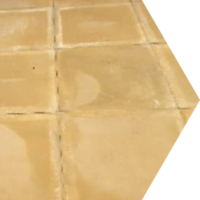
Likely to be found in:
Concrete
Possible cause:
Inconsistent drying during and after manufacture can form darker patches on concrete slabs. These can form in the centre during curing, or on the outside if slabs have been wrapped in plastic. Weather can also affect the paving when newly laid.
How to treat:
This is often to be expected on lower budget concrete products and the effects are not detrimental to the product long term. They become less obvious or disappear as the paving weathers over time.
How to avoid:
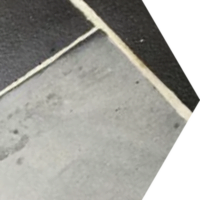
This Black Limestone has been partially treated with a colour enhancer sealer
Likely to be found in:
Natural stone
Concrete
Possible cause:
All natural stone is likely to fade over time, and for some the effect is more pronounced, such as Blue-Black and Andhra Grey Limestones, which fade to a lighter colour when exposed to British weather.
How to treat:
If you’d like to maintain a darker colour you can use a colour-enhancer sealer such as Stain Proof, Back to Black or Easy Slate and Limestone Enhancer and Easy Sandstone Enhancer.
How to avoid:
Colour enhancing sealers and Stain-Proof can slow the fading process.
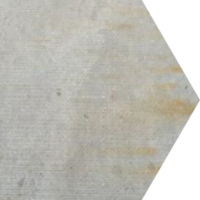
Likely to be found in:
Any paving
Possible cause:
Fertilisers and moss killers contain ferrous sulphate which can leave traces of iron on paving next to lawns.
How to treat:
Fertiliser stains tend to disappear over time. If you don’t want to wait, follow the advice for Rust Stains below.
How to avoid:
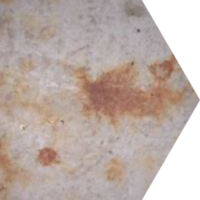
Likely to be found in:
Any paving
Possible cause:
If fallen leaves are left on paving, leaf resin can leach out as they break down, causing staining.
How to treat:
Stains can often be removed with a stiff brush and patio shampoo or, for stubborn stains try Easy Masonry Cleaner.
How to avoid:
Avoid using light coloured porous stones, especially under trees. Sweep patios regularly.
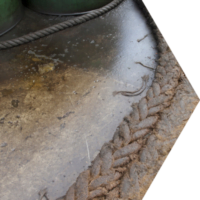
Likely to be found in:
Any paving
Possible cause:
Oil from cars, lawn mowers or food can quickly leave unsightly stains on patios and driveways.
How to treat:
Remove oil stains as soon as possible to increase chances of success. Soak up with cloth or paper. Scrub with strong detergent repeatedly and wash with plenty of water. Stubborn stains can be removed with Easy Grease and Oil Away.
How to avoid:
Always identify and remove the source of any oil leak if possible. Sealing paving can help protect against oil stains. View our list of sealers or find out about our pre-sealing service.
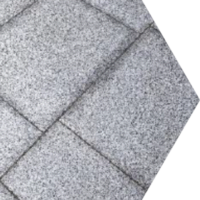
Likely to be found in:
Natural stone
Concrete
Possible cause:
Excess moisture held in grout can cause minerals to leach into the paving and leave a distinctive dark stain around the edges of each slab. Picture-framing tends to be found in porous paving and where a porous jointing compound has been used.
How to treat:
How to avoid:
Pre-sealing paving slabs significantly reduces the amount of water they absorb and therefore the effects of picture-framing. Sealing paving and joints after installation can also reduce the effects of picture-framing.
Likely to be found in:
Natural stone
Possible cause:
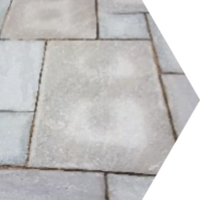
Spot bedding can cause moisture and minerals to travel through the paving at different rates, causing patches of staining that reflect the mortar.
How to treat:
Re-laying spot-bedded stone means removing and reapplying a full bed of mortar, but this is no guarantee as normally the paving has been permanently marked and the stains cannot be removed.
How to avoid:
Always use a full bed of mortar for laying paving.
Likely to be found in:
Any paving
Possible cause:
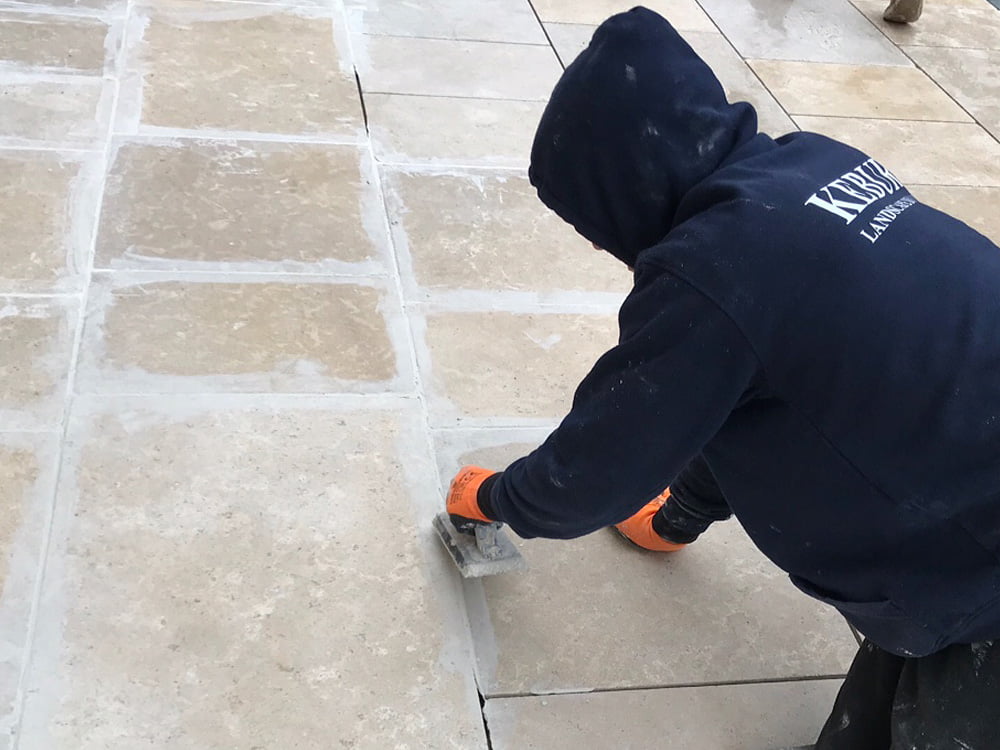
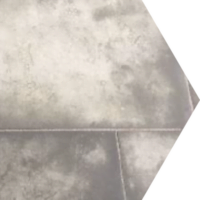
Applying a two-part epoxy resin or a single part polymeric resin grout incorrectly or at incorrect temperatures can leave a resin film over the paving and joints.
How to treat:
Damage can be permanent so is best avoided.
How to avoid:
Always follow instructions for resin carefully. Use plenty of water with epoxy resin grout and ensure you apply it at the correct temperatures. Some porous stone such as honed sandstone and granite are at higher risk of resin stain so benefit from pre-sealing.
Likely to be found in:
Natural stone
Concrete
Possible cause:
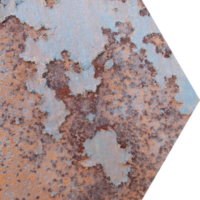
Iron deposits leach out of some types of natural stone. Paler sandstones tend to be most affected, but it can be found in limestone, granite and other natural stone. Rust stains can also be caused by moss-killer and patio furniture.
How to treat:
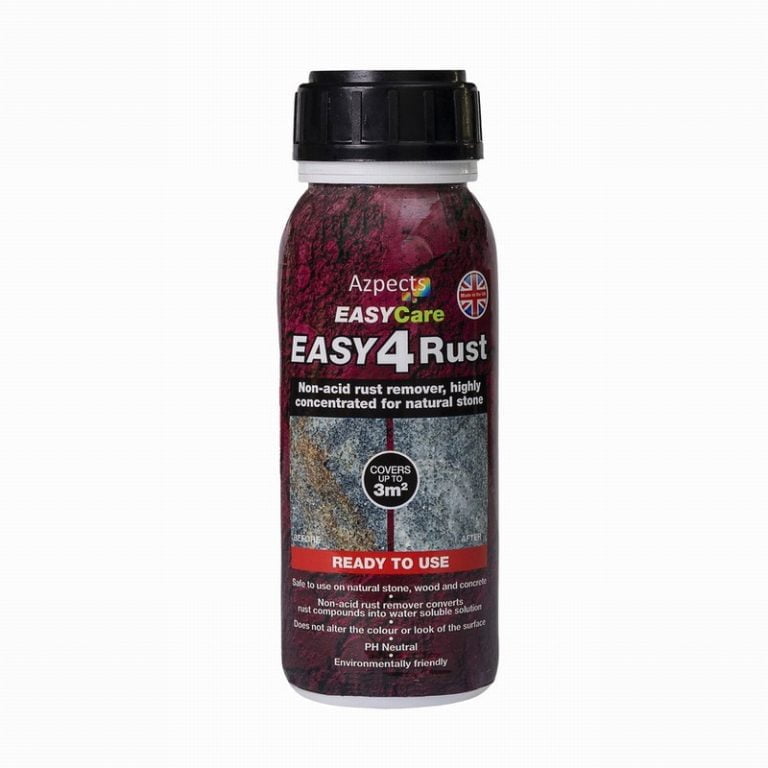
Rust stains tend to disappear over time. If you don’t want to wait, non-acid based rust cleaners such as Easy4Rust can be used on all natural stone.
How to avoid:
Likely to be found in:
Any paving
Possible cause:
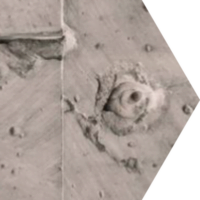
Adjacent slabs that’s have been butted up to each other (butt-jointed), with little or no mortar to cushion them, can chip around the edges. This chipping, crumbling or flaking can also occur in patches, where water in slight cracks freezes and thaws repeatedly, causing pieces to split off. This most likely happens to stone that has been jet washed or softer, porous stone.
How to treat:
How to avoid:
Allow a minimum joint width of 5mm. Always check whether light jet-washing is suitable for your paving. Sealing porous stone will also help to prevent spalling.
* Using cleaners and sealers
When using chemical cleaners and sealers on paving:
• Read the label before buying to make sure the product is suitable
• Read instructions very carefully and always seek advice from a professional if you are at all unsure of anything
• Wear protective clothing such gloves, boots and overalls
• Ensure those working in the same area are protected too
• Make sure you are outside or have good ventilation
• Always test a small, hidden area first
• Be careful not to damage, contaminate or stain any adjoining material
• When diluting acids, ALWAYS add acid to water and not water to acid
• Safely dispose of any clothing that is contaminated with chemicals
• Dispose of any run off material carefully and responsibly.
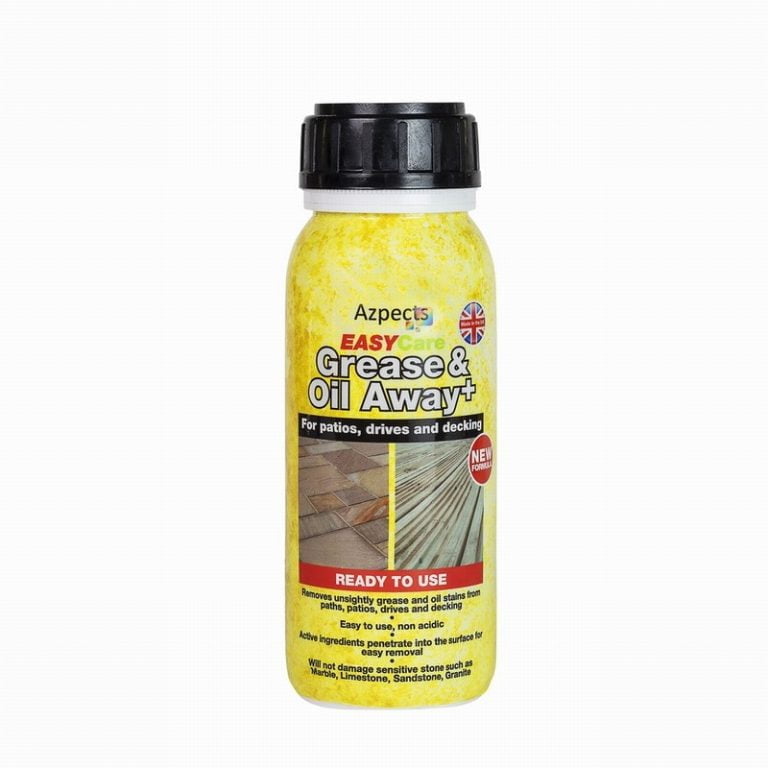
EASY Grease & Oil ...
£23.85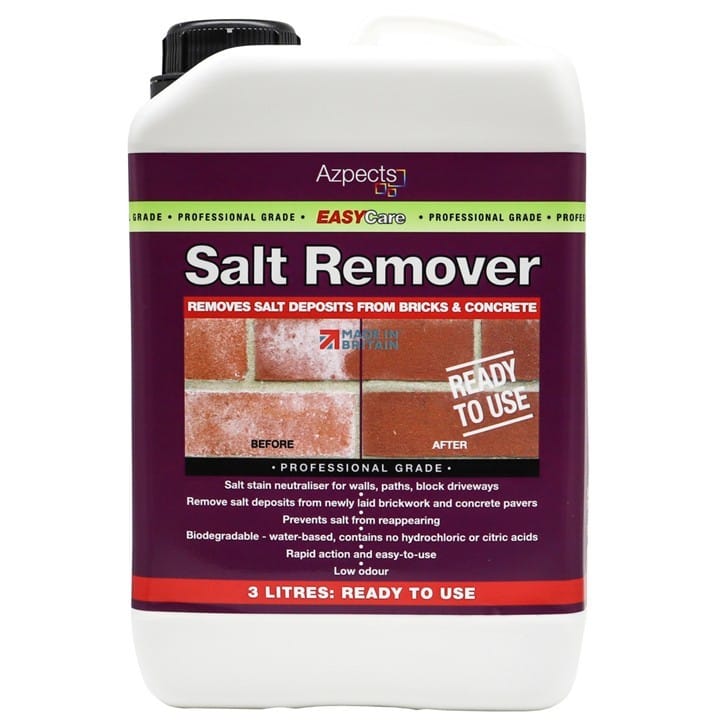
EASY Salt Remover
£22.70
Liquid Science Porcela...
£26.95
EASY Wood Revive
£36.95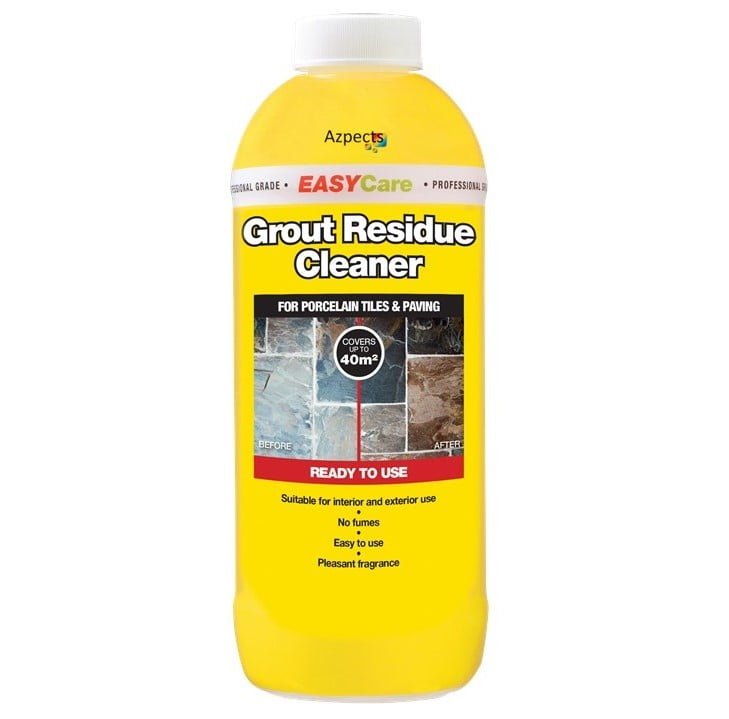
EASY Grout Residue Rem...
£22.45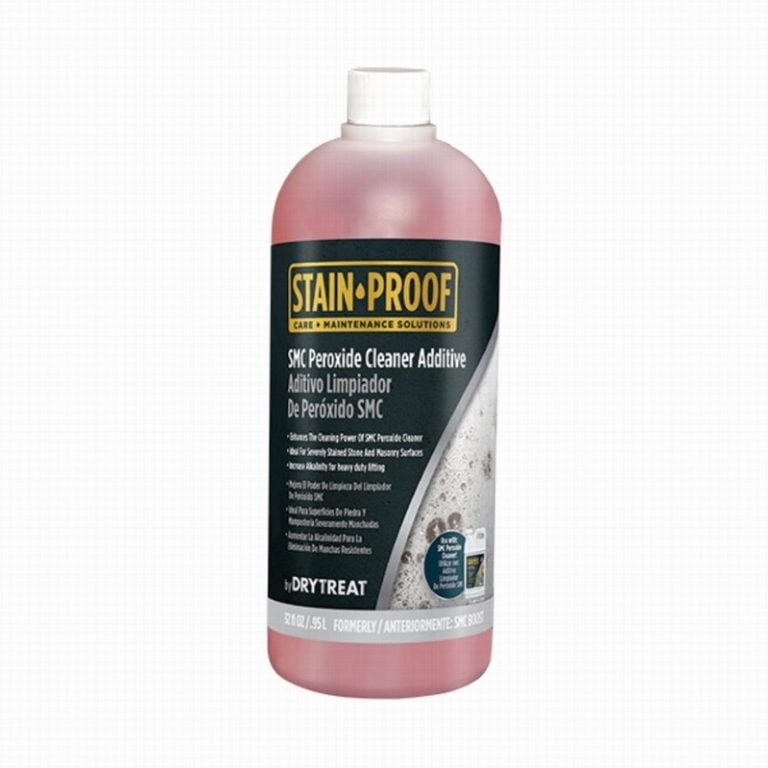
Stain-Proof SMC Peroxi...
£18.00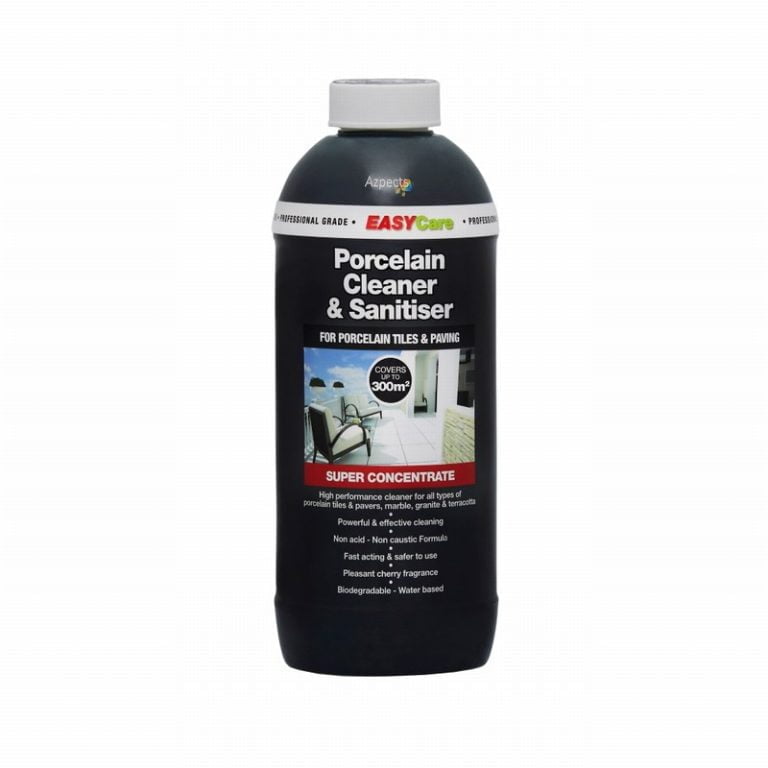
EASY Porcelain Cleaner...
£23.50
Liquid Science Black S...
£32.95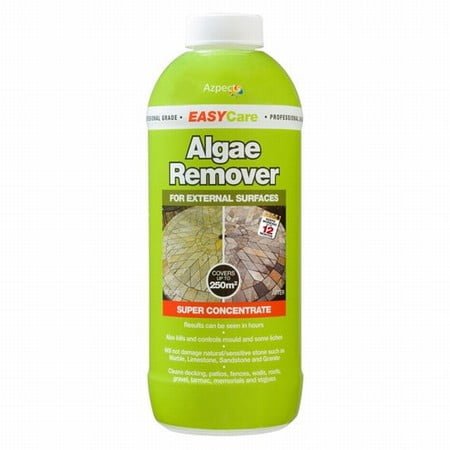
EASY Algae Remover
£21.25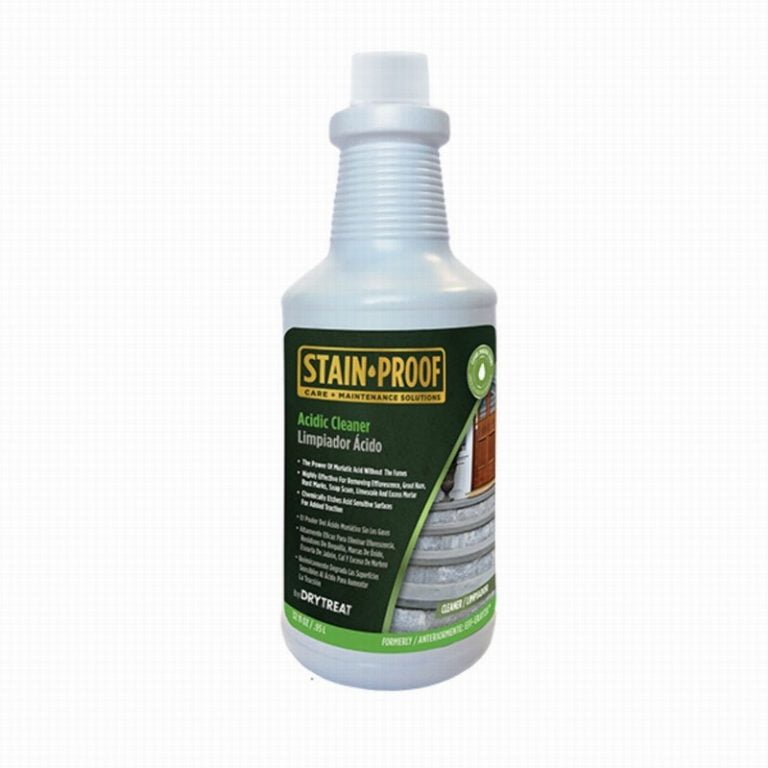
Stain-Proof Acidic Cle...
£28.20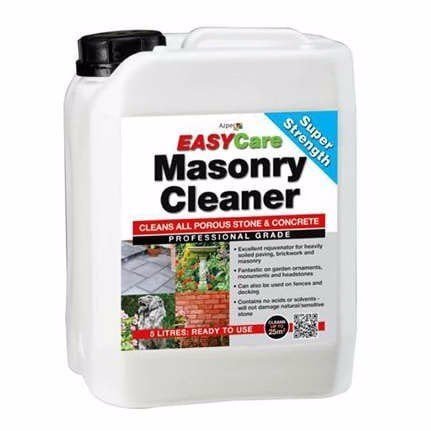
EASY Masonry Cleaner
Original price was: £43.30.£34.64Current price is: £34.64.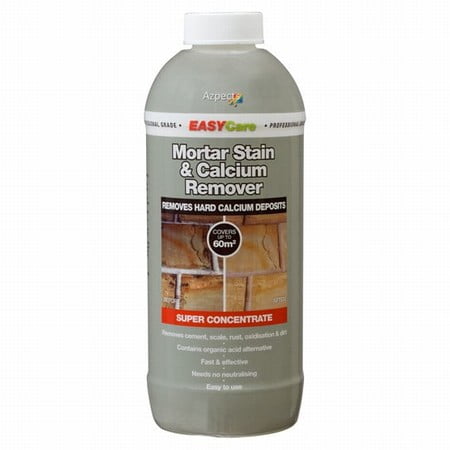
EASY Mortar Stain and ...
£29.95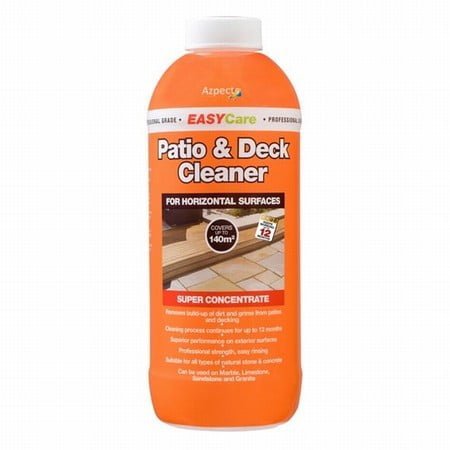
EASY Patio and Deck Cl...
£21.95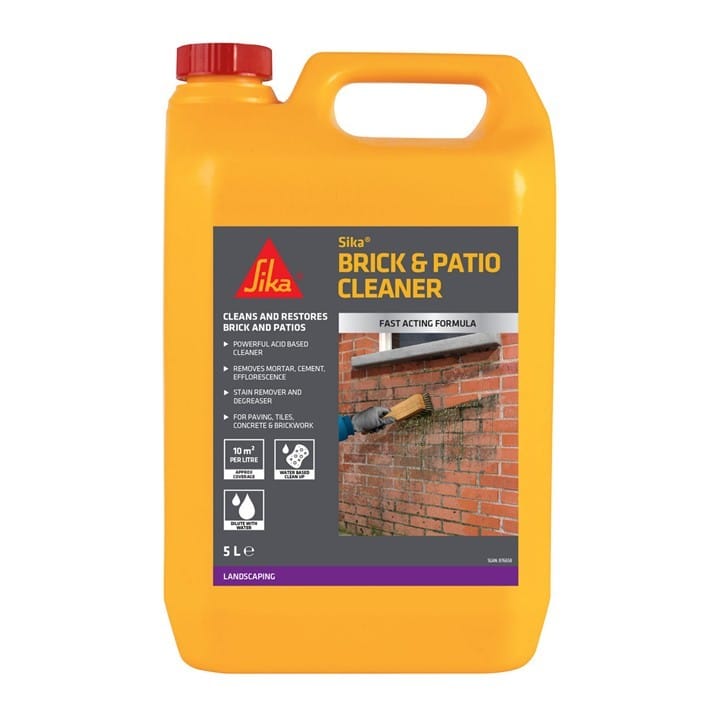
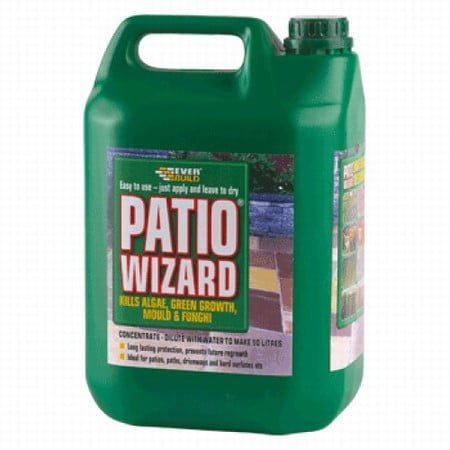
Everbuild Patio Wizard
£23.95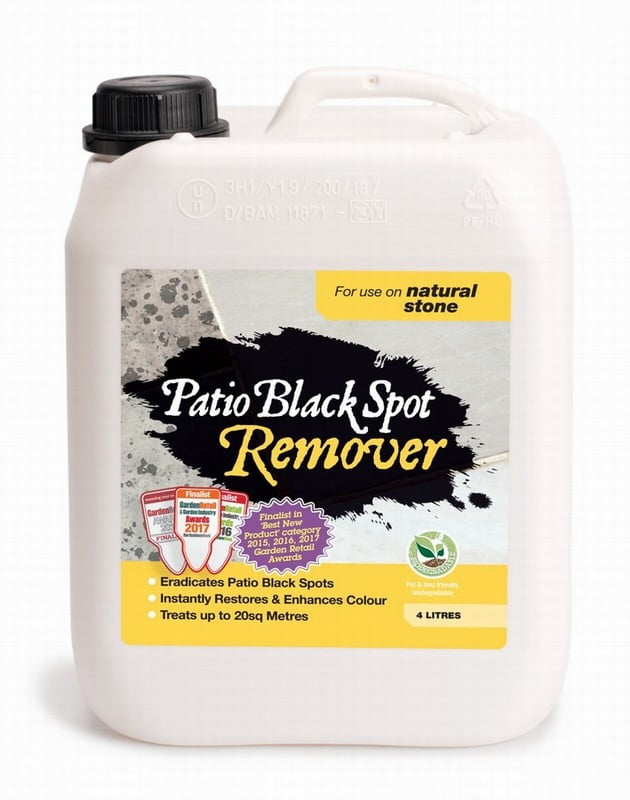
Patio Black Spot Remov...
From: £29.95
Stain-Proof Alkaline C...
£28.20
Stain-Proof SMC Peroxi...
£18.00
EASY Sealer Remover
£74.70