


























































Preparing your garden for winter
Ensure your outdoor space stays in top condition
As the days shorten and the temperatures drop, it’s time to turn your attention to prepping your garden for winter. With help from Kebur’s wide range of landscaping supplies, you can ensure your outdoor space stays in top condition and is ready to shine next spring.
Winter tip:
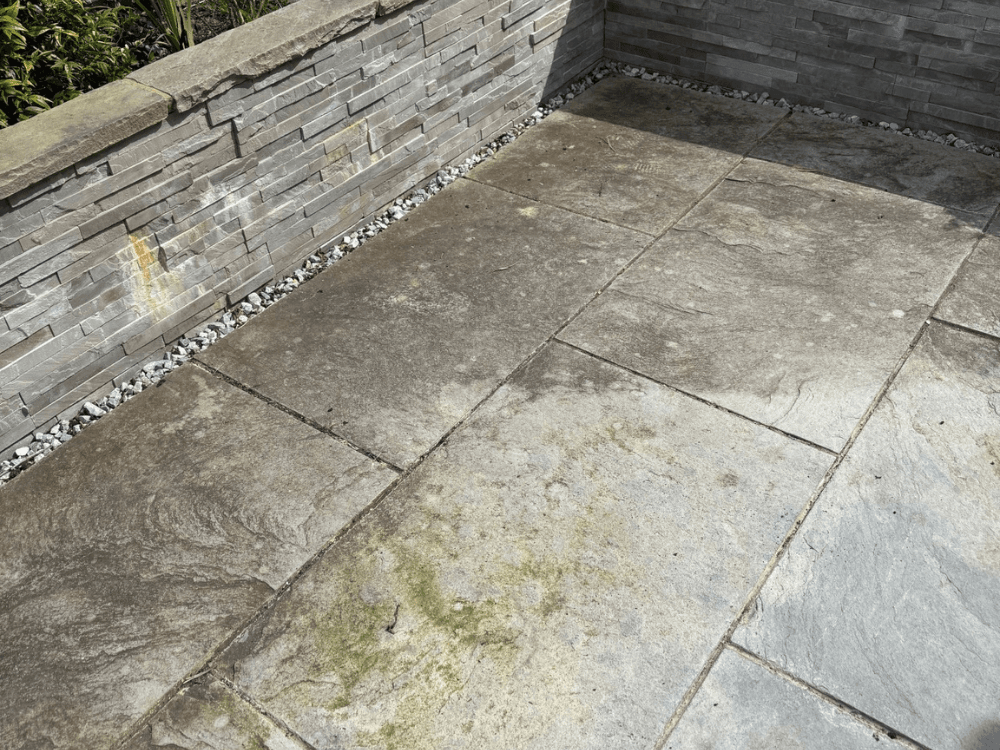
When cleaning a patio, like limestone, sandstone, or slate, you need to be extra careful because harsh chemicals or abrasive cleaners can etch, stain, or damage the surface. Always choose a pH-neutral cleaner specifically designed for natural stone, and avoid acidic products like vinegar or bleach. Test any cleaner on a small, inconspicuous area first, and use a soft brush or mop rather than a stiff brush or pressure washer on high settings. We are happy to advise you of the best product to use on your stone. View our cleaning range.
Maintain your patio
Keeping your patio clean before and during winter is key to preventing damage, slips, and long-term staining. Winter weather brings rain, frost, and falling leaves, which can cause moss, algae, and debris buildup that make surfaces slippery and unattractive. Start by sweeping or blowing away leaves and dirt, then power-wash or scrub any stubborn stains before the cold sets in. Removing moss and algae regularly will protect surfaces from moisture and staining. Use a treatment like Patio Wizard to removed stubborn stains. Maintaining a clean, dry patio through winter not only keeps it safe but also reduces the effort needed for spring cleaning and helps extend the lifespan of your paving.
Related product
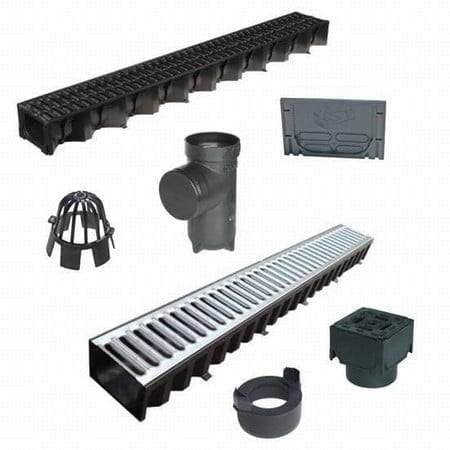
ACO Hexdrain Channels and Accessories
From: £6.95 Select options This product has multiple variants. The options may be chosen on the product page
The importance of good drainage
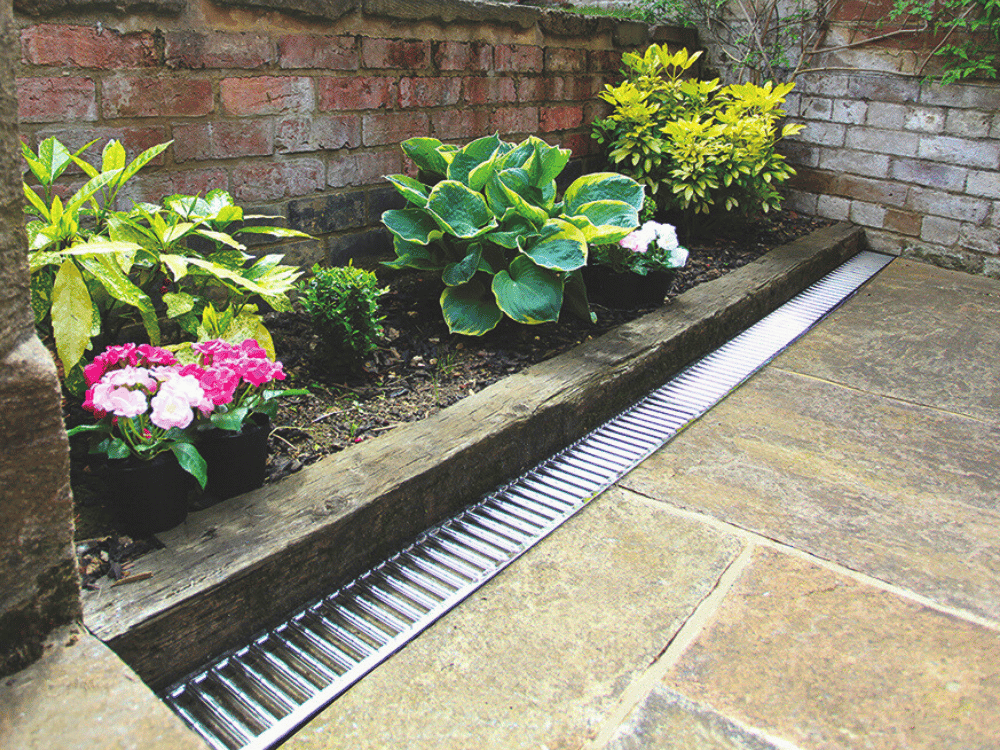
It’s important to sort out your patio’s drainage and groundwater management before winter to prevent water from pooling, freezing, and causing damage. Poor drainage can lead to standing water that seeps into cracks, where it expands as it freezes, loosening paving slabs and creating trip hazards. Excess moisture can also promote algae and moss growth, making surfaces slippery and unsafe. Over time, poor groundwater control can erode the patio base and cause uneven sinking or structural damage. By fixing drainage issues in autumn, such as clearing channels, checking gradients, or installing soakaways, you’ll protect your patio from frost damage, maintain safety, and save on costly repairs come spring.

Winter tip:
Avoid using de-icing salts on sealed patios if possible, as they can damage joints and stone surfaces. Instead use sparingly or use more benign alternatives. A well-sealed surface reduces water ingress and lowers risk of frost damage.
Sealing your patio ahead of winter helps protect it from moisture, frost, and staining during the colder, wetter months. When left unsealed, water can seep into the surface and freeze, causing cracks, flaking, and long-term damage. A quality sealant acts as a barrier, reducing water absorption and preventing frost damage, moss, and algae growth. It also helps guard against stains from fallen leaves, dirt, and winter debris, keeping your patio looking cleaner for longer. By sealing your patio in autumn, you’ll extend its lifespan, make maintenance easier, and ensure it’s ready to enjoy again when spring arrives. We offer a range of sealants and are happy to advise in store of the correct product for your stone.
At Kebur we offer a pre‑sealing service for natural stone paving. We can apply a deep‑penetrating sealant of your choice, then the stone is ready to install in any weather, which removes the dependency on dry conditions post‑installation. Find out more.


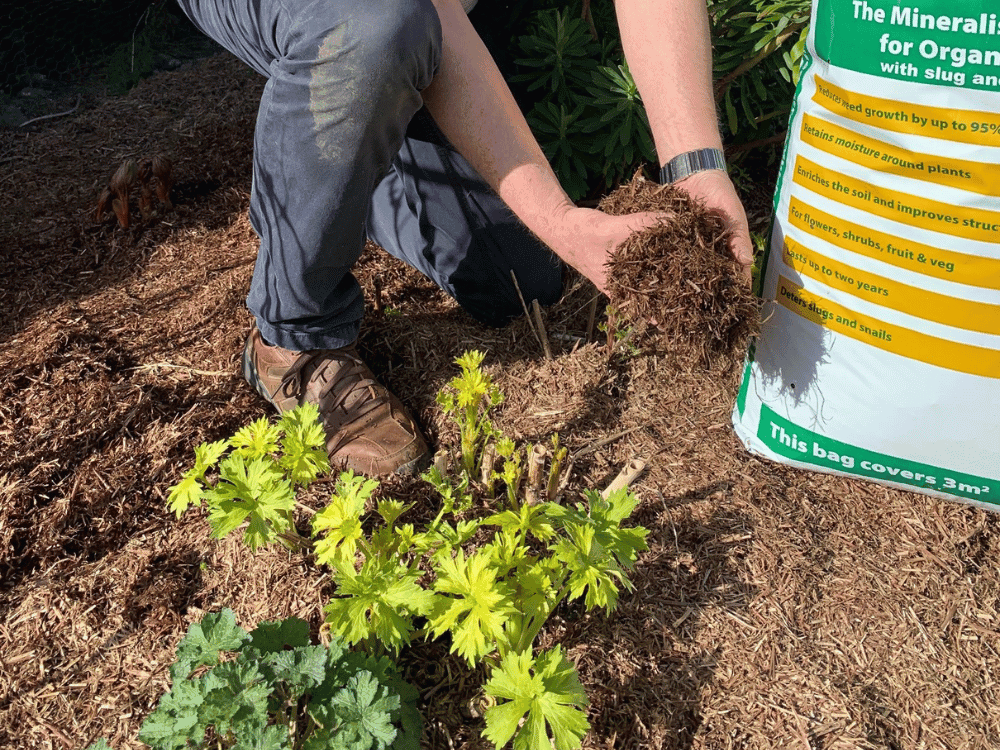
Using Strulch (straw mulch), bark, and topsoil before winter helps protect plants by insulating roots against frost, retaining soil moisture, suppressing weeds, and preventing soil erosion. Organic mulches like Strulch and bark also improve soil health as they decompose, adding nutrients and enhancing structure. To use them effectively, spread a 5–10 cm layer of Strulch around vegetable beds and perennials, apply 5–8 cm of bark around shrubs and trees while keeping it away from stems, and use topsoil to level low spots or create protective mounds around frost-sensitive plants. Combining these layers ensures plants stay safe and the soil stays healthy throughout the winter.
Winter tip:
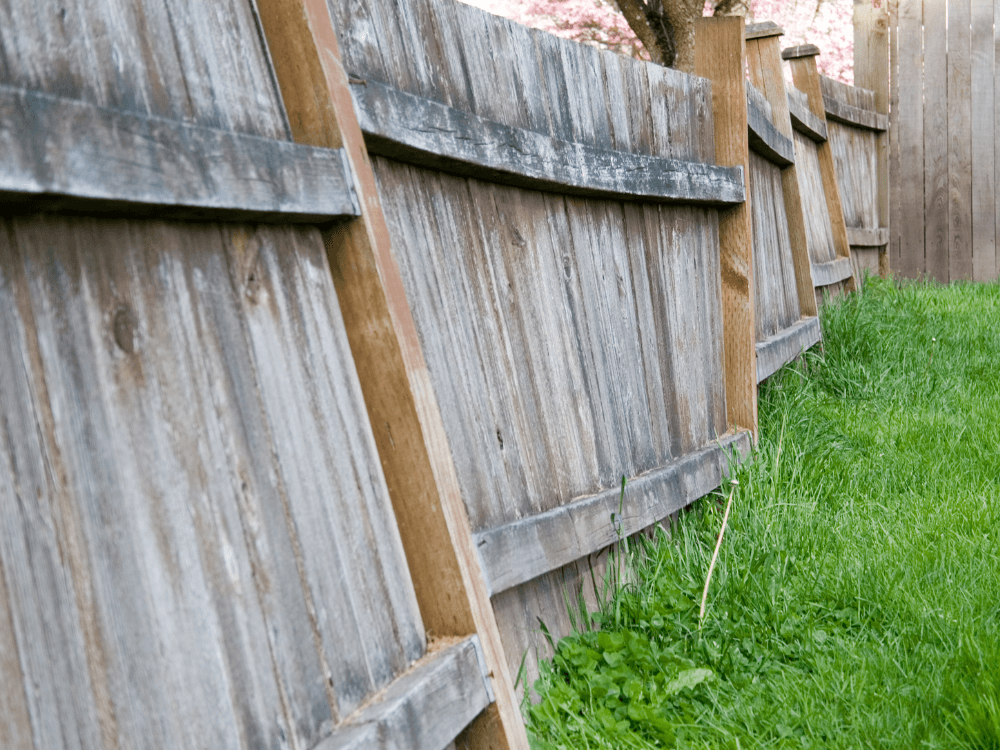
Install a gravel board (or check existing one) so that soil splashback and standing water don’t rot the bottom of the panels. Choose a stock-treated timber board or concrete board for durability. View our range.
Inspect and Strengthen Fencing
Strong winds, rain and freeze-thaw cycles can put stress on your fence structure over winter. Ensuring fence panels, posts and gravel boards are in good condition now avoids costly repairs later. Look for loose or rotten timber posts, sagging panels or damaged gravel boards. Kebur has a wide selection of fence panels & picket fences, timber posts, concrete posts, gravel boards and fittings. If you’re installing new fencing use post mix concrete to set posts securely. For existing fencing, tighten brackets and fittings, replace damaged gravel boards (to keep moisture and pests out) and consider applying a preservative to timber surfaces.
Related product
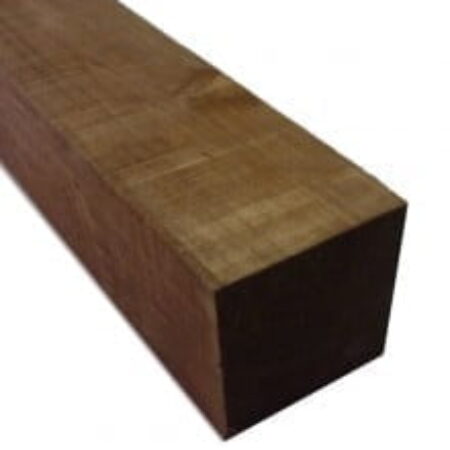
Timber Fence Posts
From: £4.45Select options This product has multiple variants. The options may be chosen on the product page
Conclusion
Doing basic garden maintenance before winter sets in helps your garden stay healthy and ready to thrive in spring.
Related products
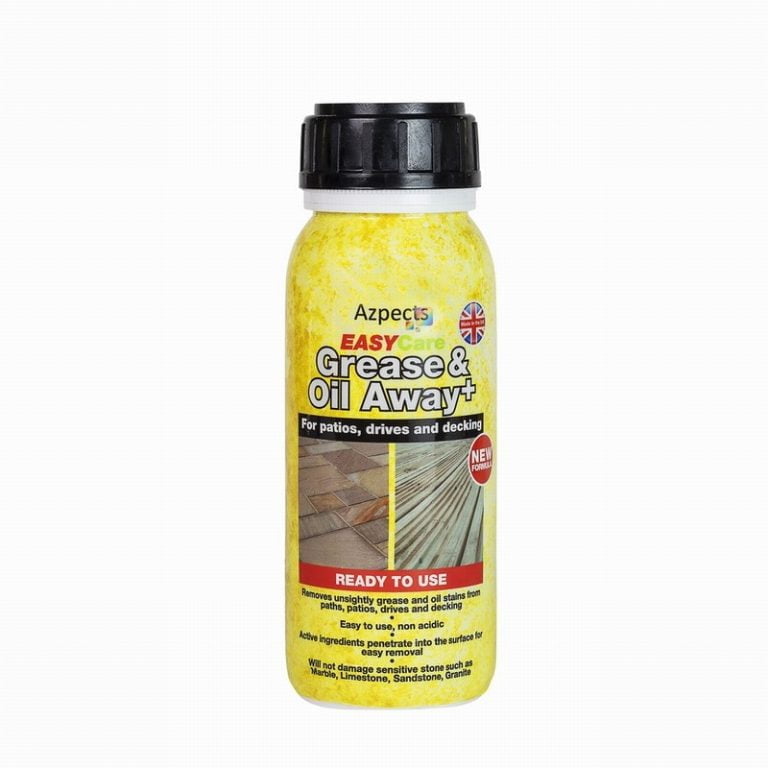
EASY Grease & Oil ...
£23.85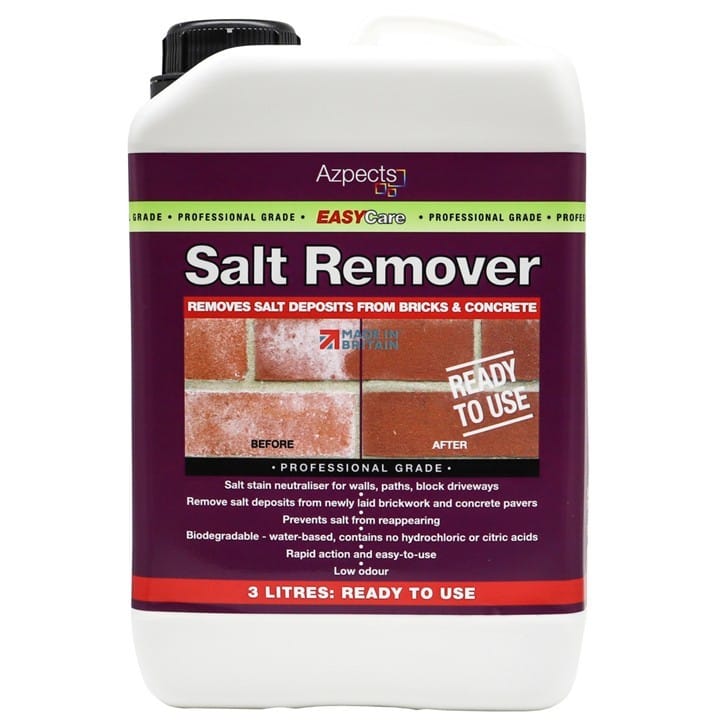
EASY Salt Remover
£22.70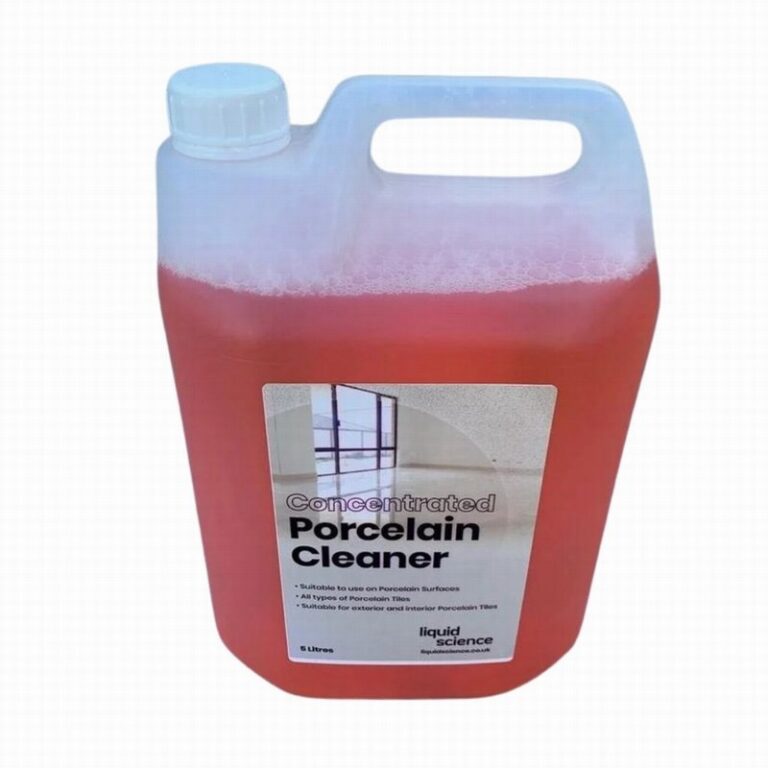
Liquid Science Porcela...
£26.95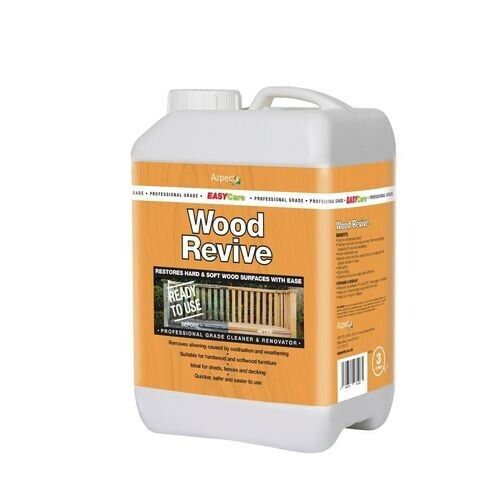
EASY Wood Revive
£36.95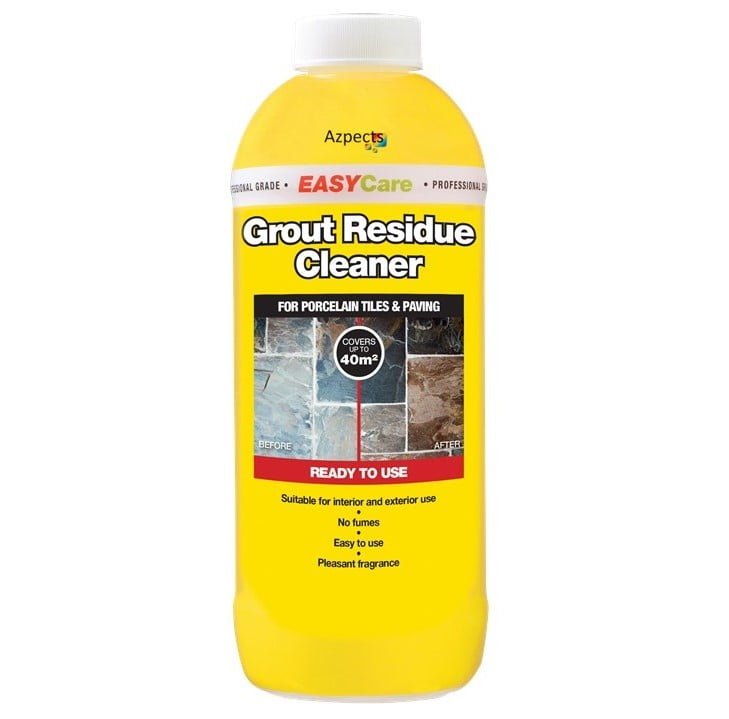
EASY Grout Residue Rem...
£22.45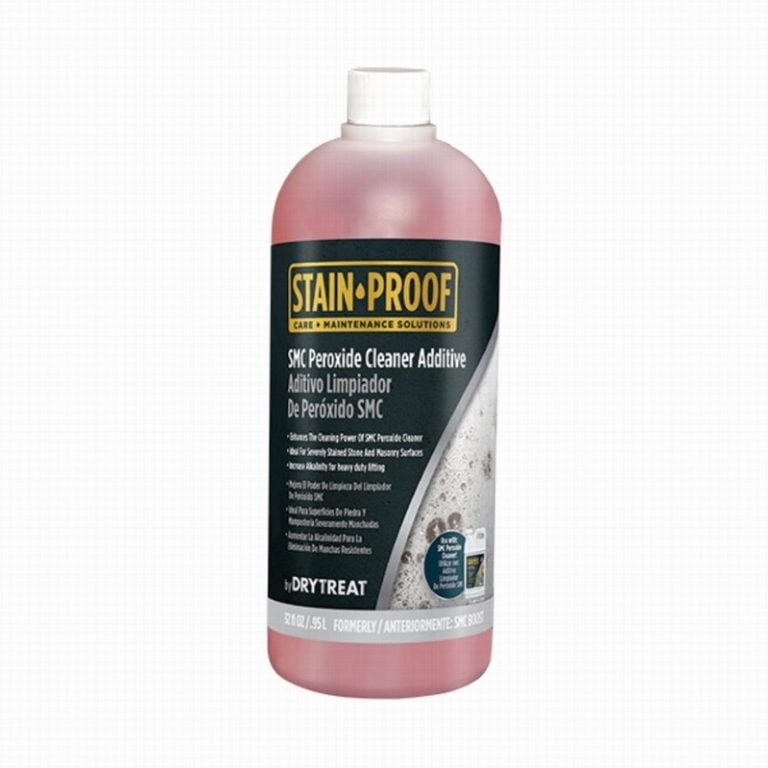
Stain-Proof SMC Peroxi...
£18.00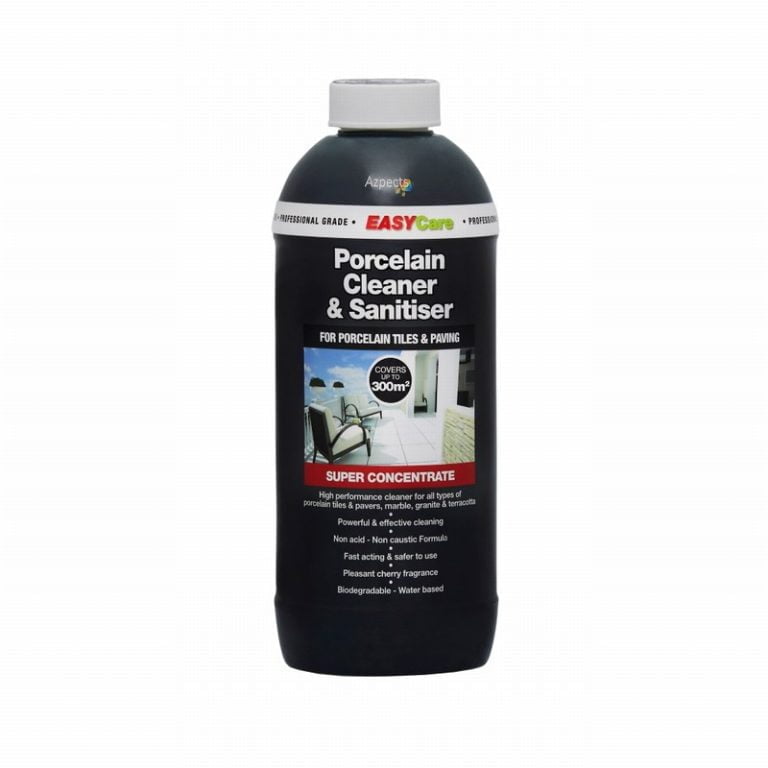
EASY Porcelain Cleaner...
£23.50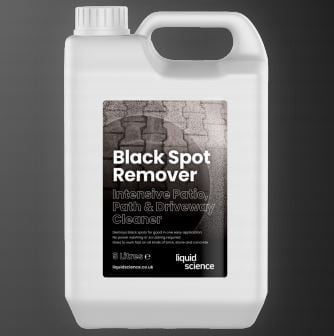
Liquid Science Black S...
£32.95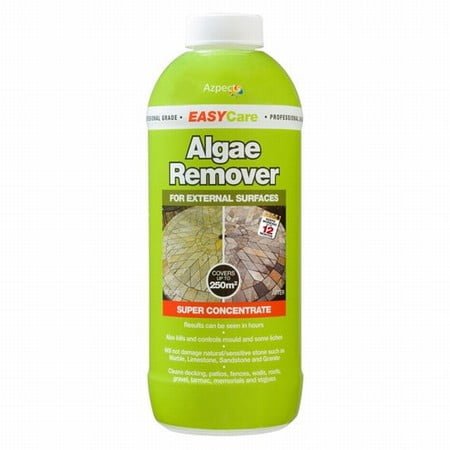
EASY Algae Remover
£21.25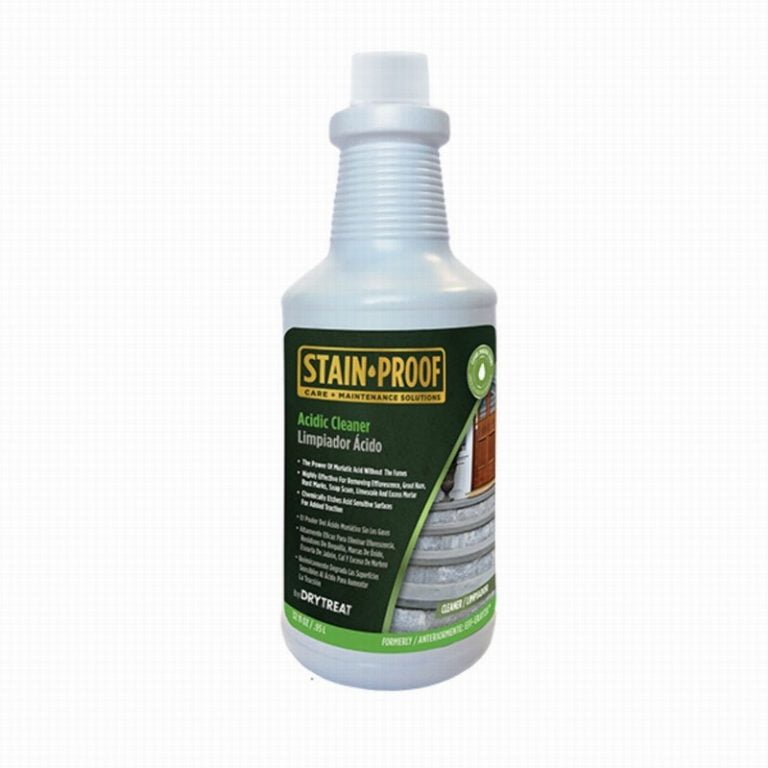
Stain-Proof Acidic Cle...
£28.20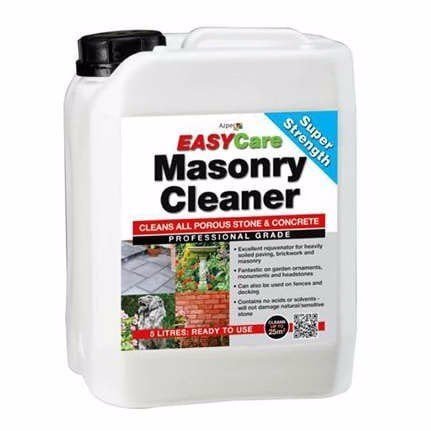
EASY Masonry Cleaner
Original price was: £43.30.£34.64Current price is: £34.64.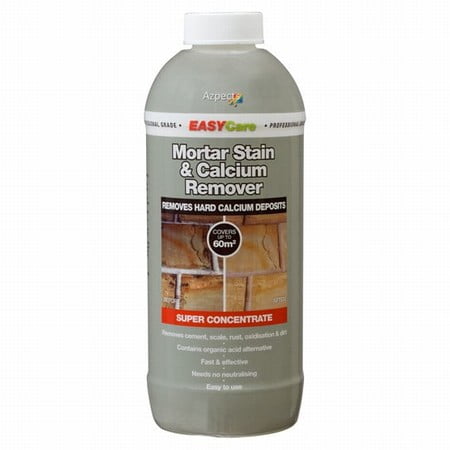
EASY Mortar Stain and ...
£29.95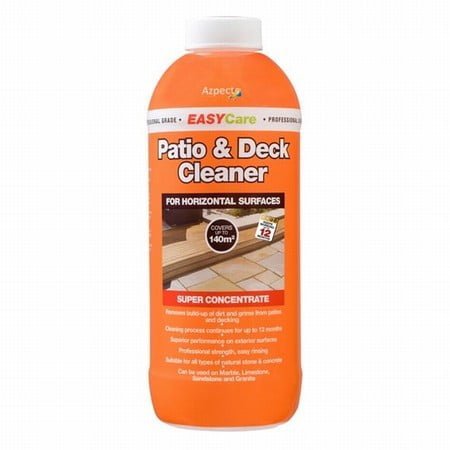
EASY Patio and Deck Cl...
£21.95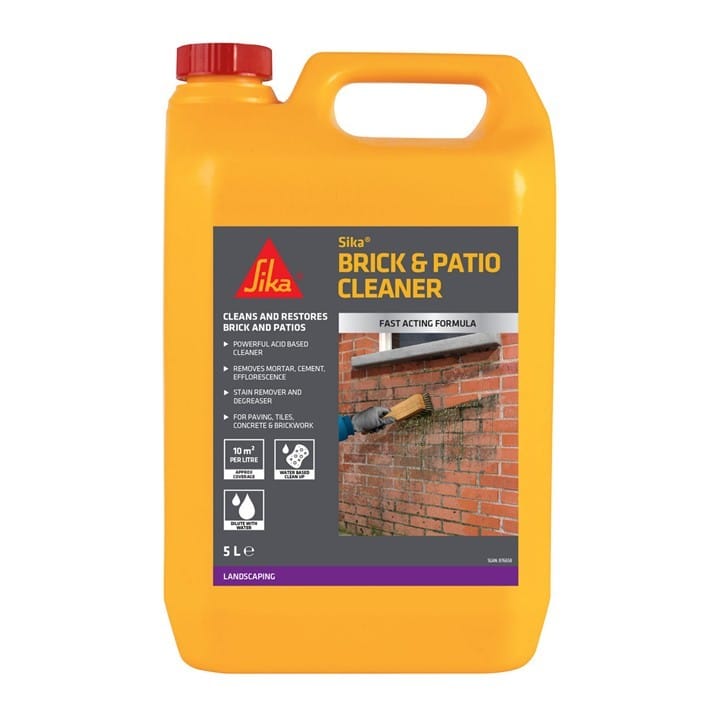
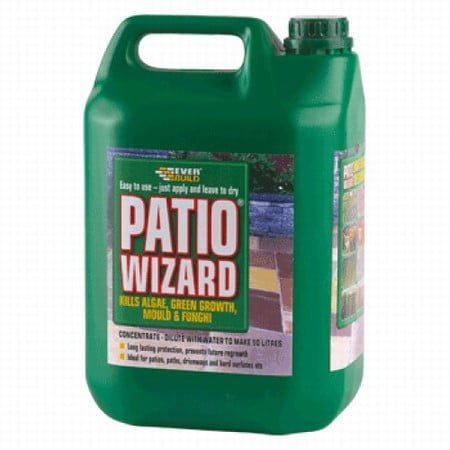
Everbuild Patio Wizard
£23.95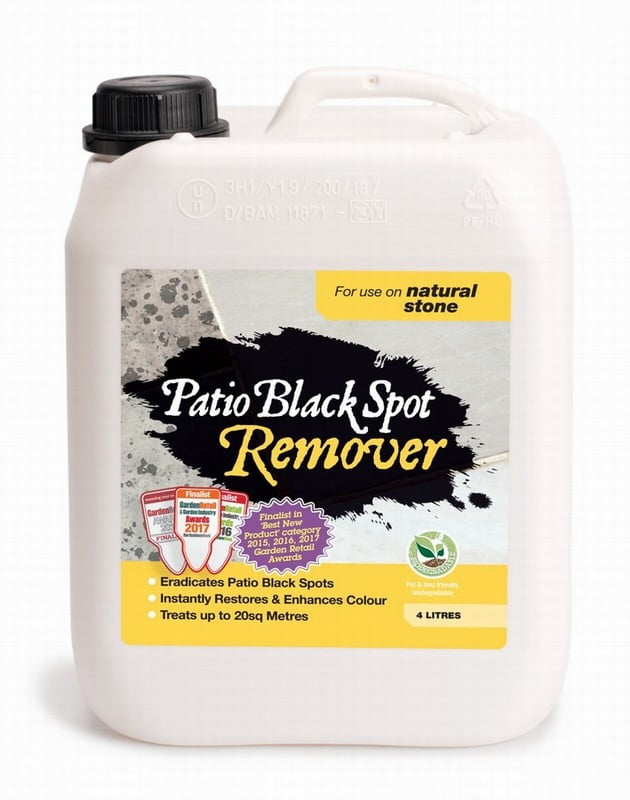
Patio Black Spot Remov...
From: £29.95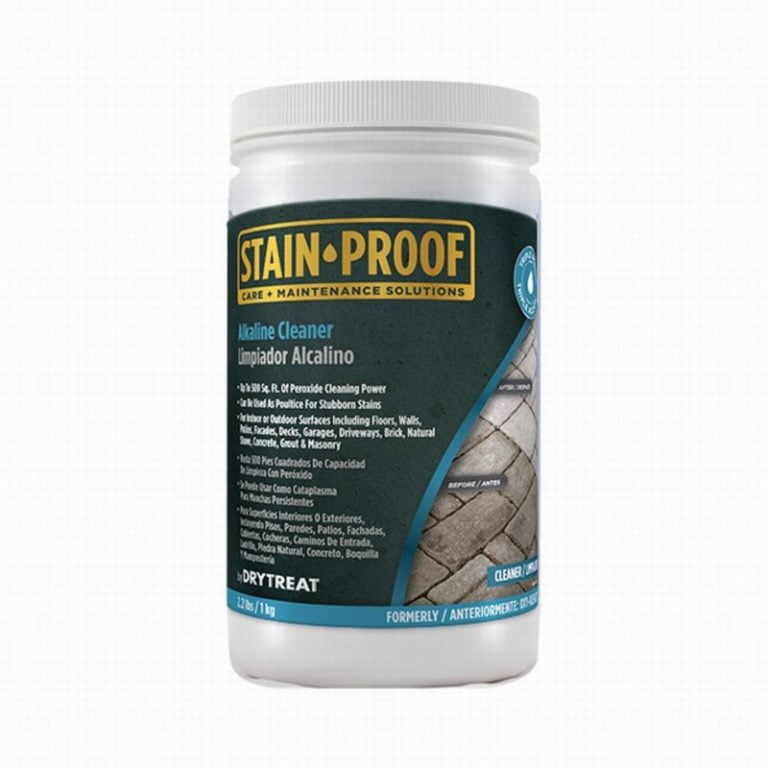
Stain-Proof Alkaline C...
£28.20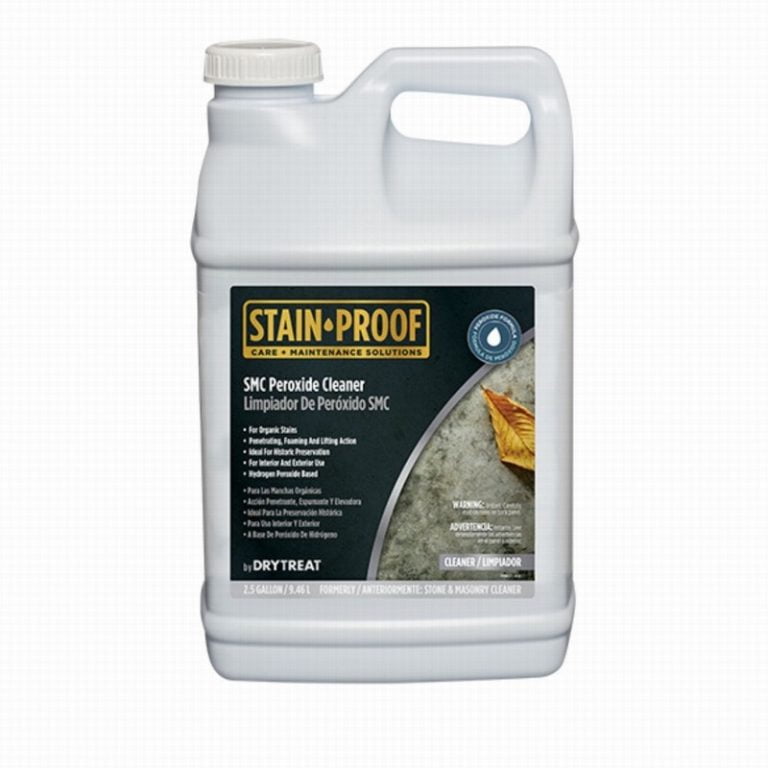
Stain-Proof SMC Peroxi...
£18.00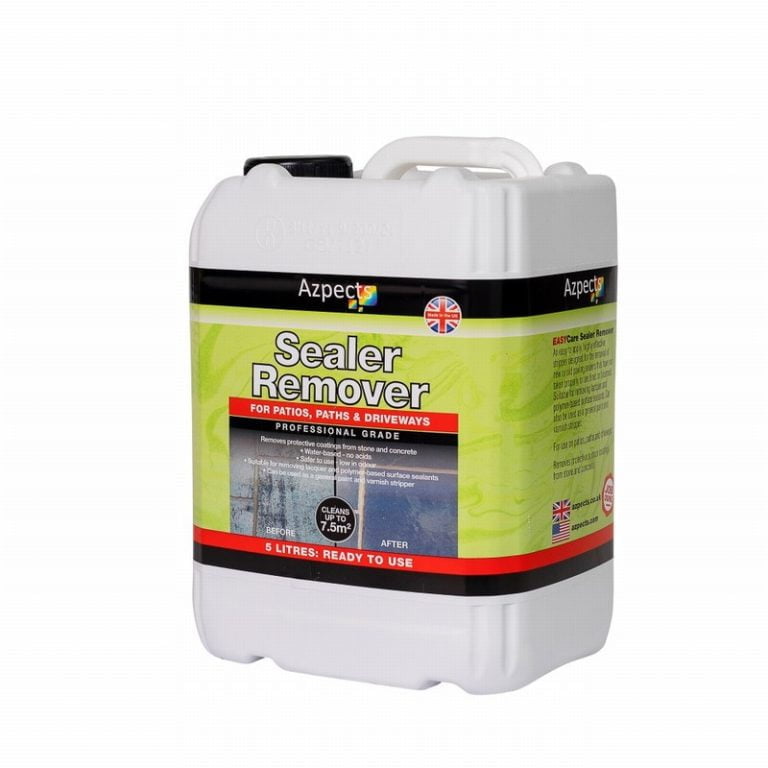
EASY Sealer Remover
£74.70