













































How to build a sustainable rockery
Why choose a sustainable rockery?
At Kebur, we offer a great selection of materials and advice to support sustainable garden builds. Creating a rockery is a beautiful way to add texture, depth, and natural charm to your garden, and it can also be an opportunity to make an environmentally conscious choice. Whether you have a sunny slope or a small corner to transform, this guide will show you how to build a rockery that’s not only attractive, but also kind to the planet.
1. Plan and prepare
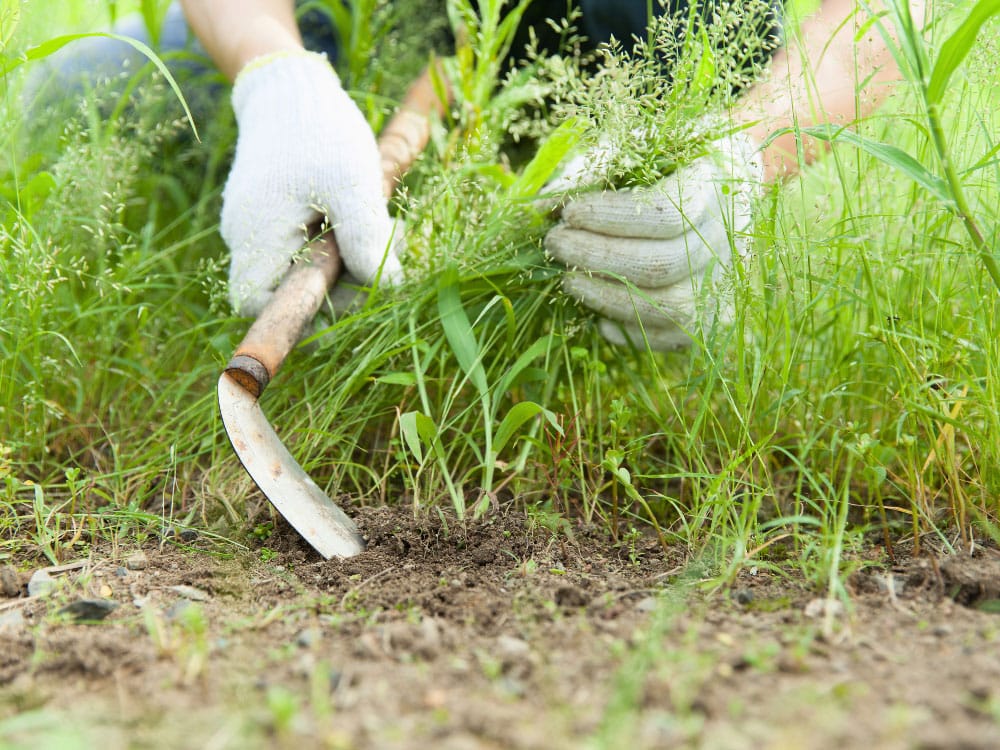
Choose a site with good sun exposure and drainage. Most traditional rockery plants need full sun for at least 6 hours a day and good drainage to prevent root rot. Mark out the area and remove any weeds.
Steer clear of low-lying areas that collect water and under trees or near dense shrubs, which create shade and drop leaves.
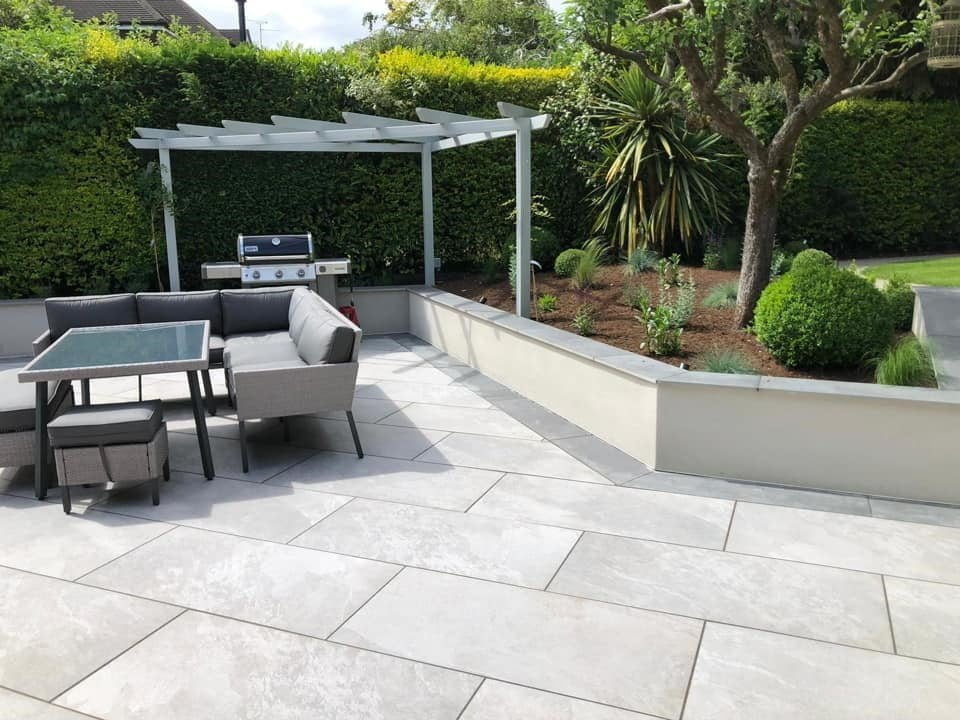
A slope or embankment is ideal for a terraced rockery, and it’s best to place one where you and visitors can enjoy it. Near patios, walkways, or outdoor seating areas or as a focal point in the middle or corner of the garden.
Related product
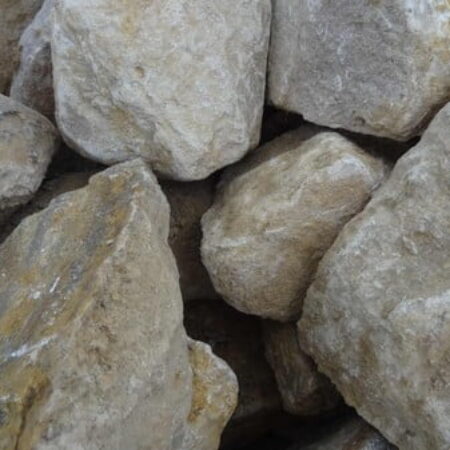
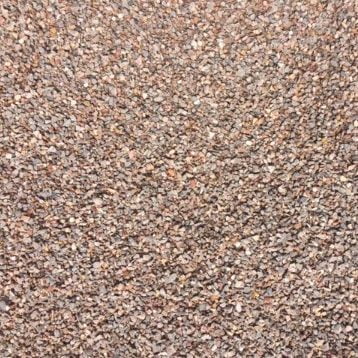
Purbeck Rockery
From: £0.55Select options This product has multiple variants. The options may be chosen on the product page
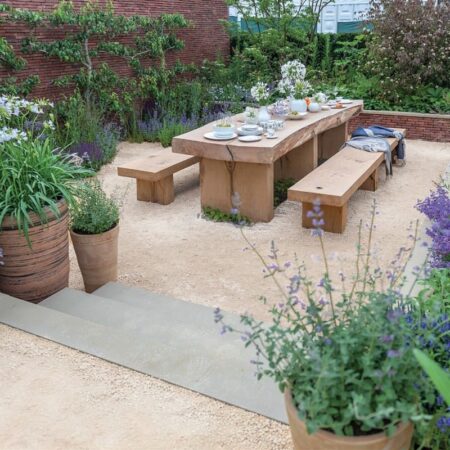
2. Build a sustainable base
Use local reclaimed rubble, broken bricks, or gravel as a 15 cm sub-base.
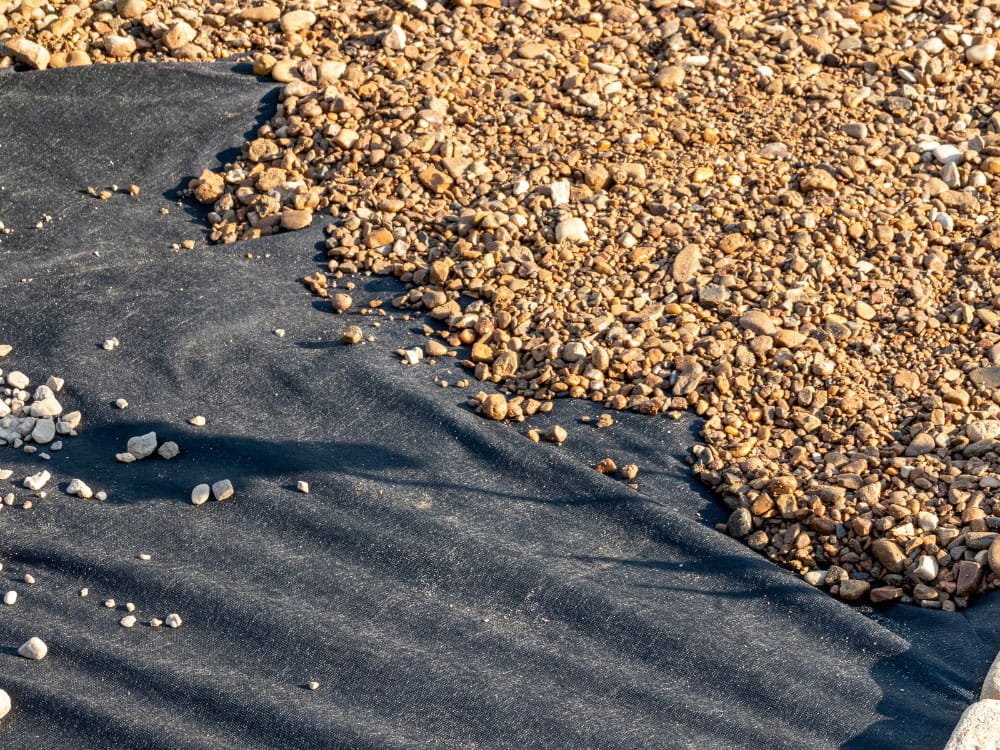
Cover with permeable fabric or inverted turf to separate it from topsoil and allow drainage.
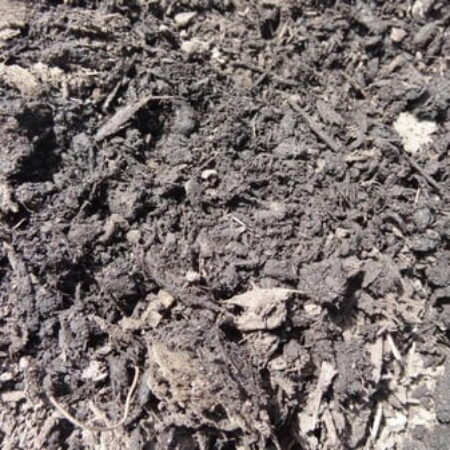
Add a top layer of peat-free compost and grit for planting pockets. All Kebur compost is peat-free, helping preserve critical carbon-rich peatlands.
Ensure the surface remains permeable by using materials like self-binding gravel or shingle to reduce erosion and runoff.
3. Choose and arrange rocks
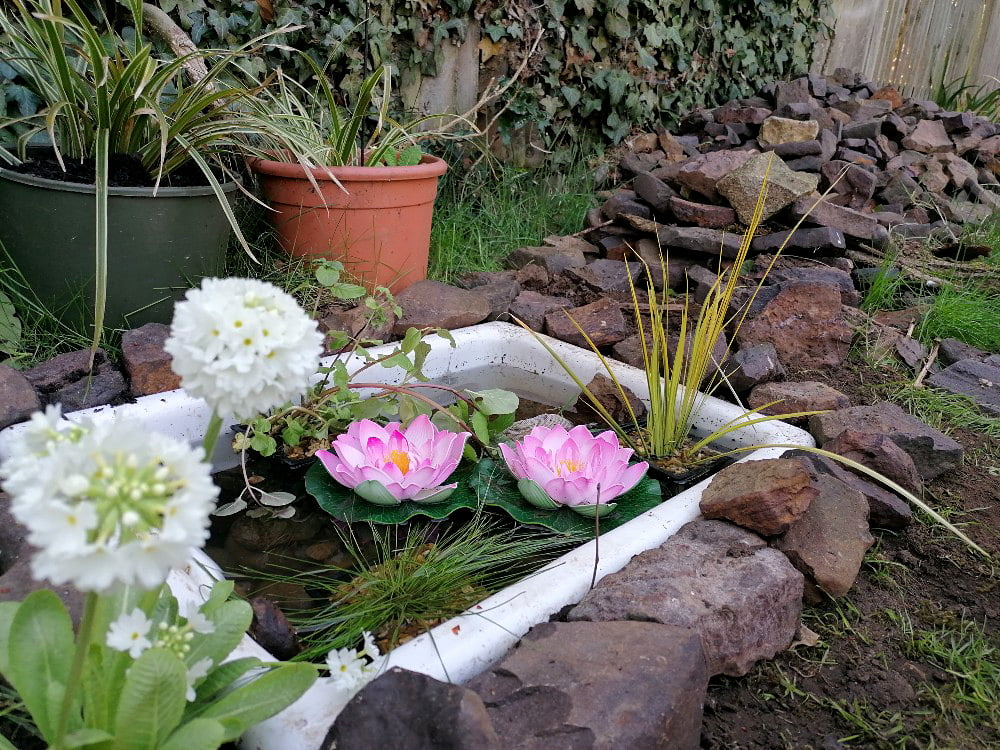
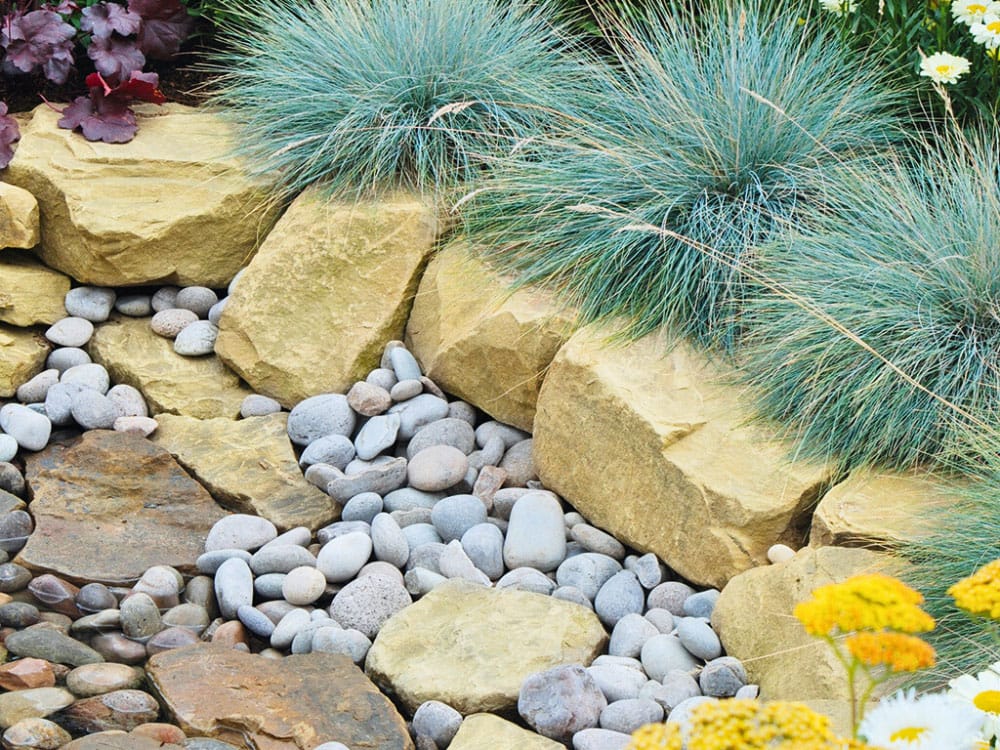
Use Kebur’s recycled-content rockery stones – for example green granite, plum slate, Purbeck stone, etc.
Place large keystone rocks first, tilting them slightly backward naturally. Backfill with smaller stones; bury each rock about a third of its depth for stability.
Arrange stones to mimic natural sedimentary layers – flat faces oriented similarly.
Related product
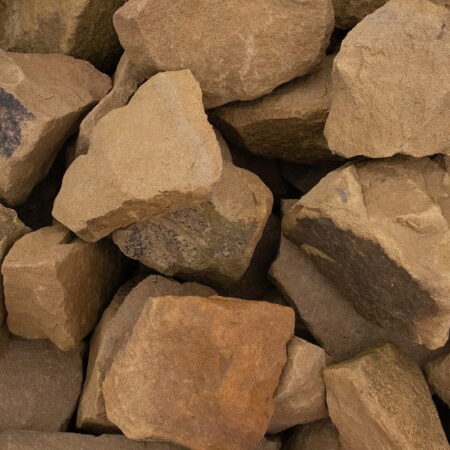
Cotswold Rockery
From: £0.89 Select options This product has multiple variants. The options may be chosen on the product page
4. Plant thoughtfully
Use peat-free compost as your planting medium.
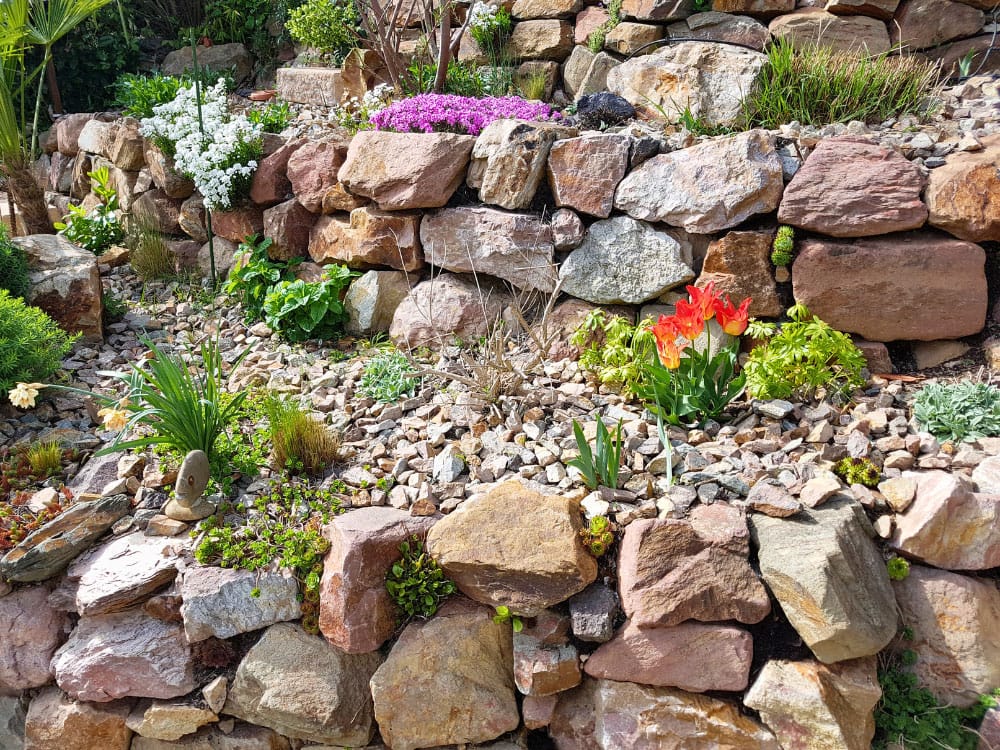
Ideal plant types should be drought-tolerant, low-growing species such as succulents, sedums, saxifraga, alpine plants, or trailing varieties like delosperma and ajuga.
For a wildlife draw, include flowering pollinator-friendly species.
5. Water & maintenance
Install drip irrigation or soaker hoses to reduce water waste, and consider harvesting rainwater for use.
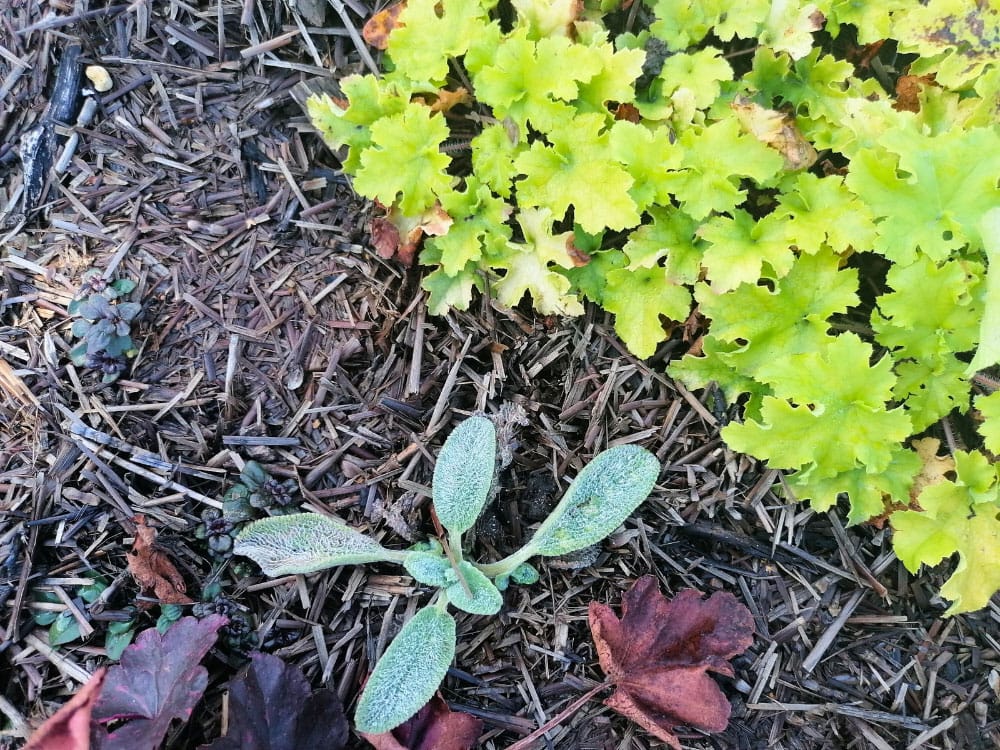
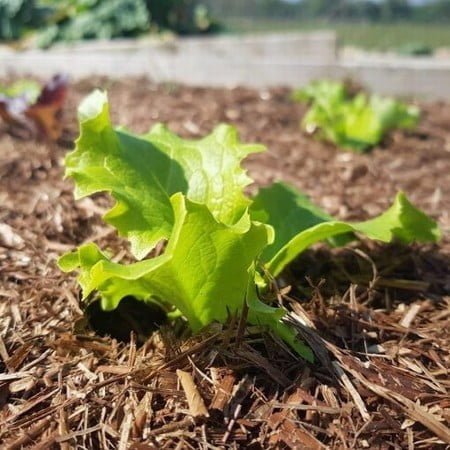
Mulch planting pockets with Strulch to conserve moisture and suppress weeds. It lasts for up to two years and gives an earthy brown colour. Strulch has a neutral pH and is recommended by the RHS.
Avoid synthetic pesticides – hand-weed and rely on natural pest controls.
Related product
- Sale!
6. Enhance wildlife habitat
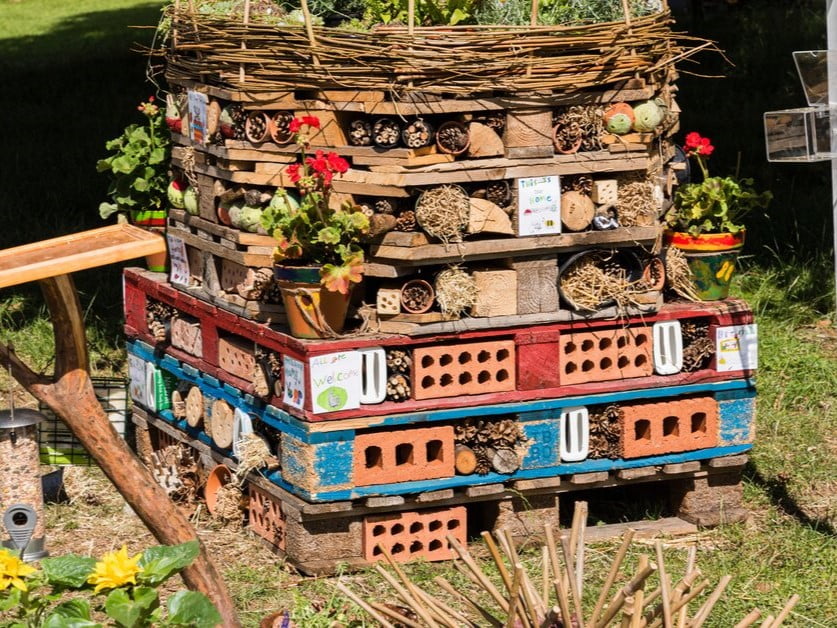
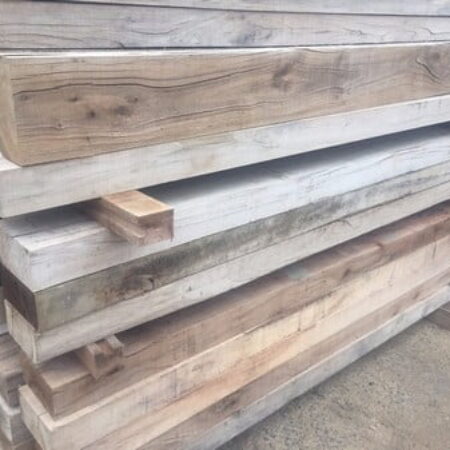
Include log piles, planters, or small water features to support biodiversity. Kebur supplies timber and composite options, as well as naturally durable timber like oak sleepers, reducing chemical use and ensuring longevity.
Ensure planting includes native species to support local ecosystems.

7. Light it up
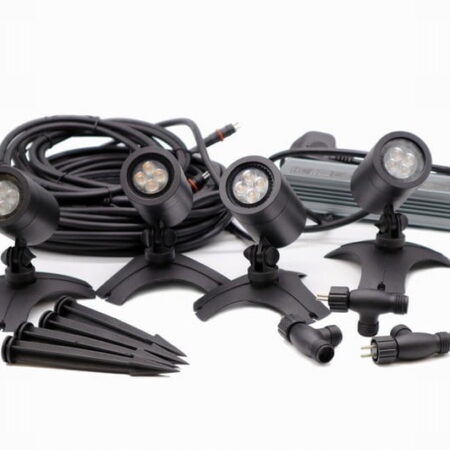
Lighting your rockery can really elevate its appearance, making it a feature both day and night. Highlight feature rocks, statues, or architectural plants with spotlights by facing them from below or the side to cast interesting shadows.
Uplight a vertical rock face or tall plant with a low-wattage to avoid harsh glare. Tuck lights behind rocks or low plants for a natural look and light just a few key features to avoid clutter.
Our Ellumière range offers a selection of different lights to create the right effect for your new rockery.
Related products
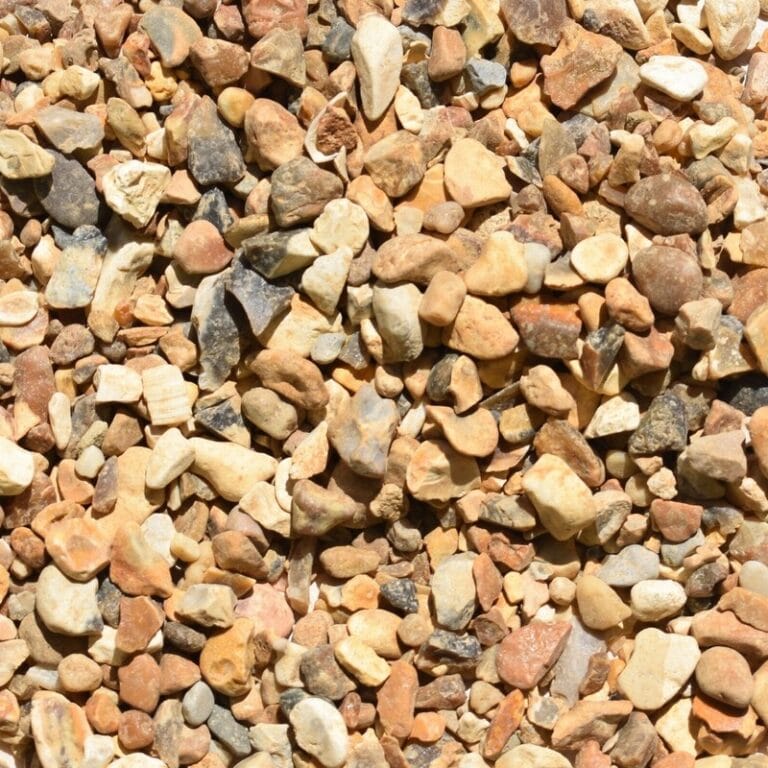
10mm shingle gravel
From: £4.46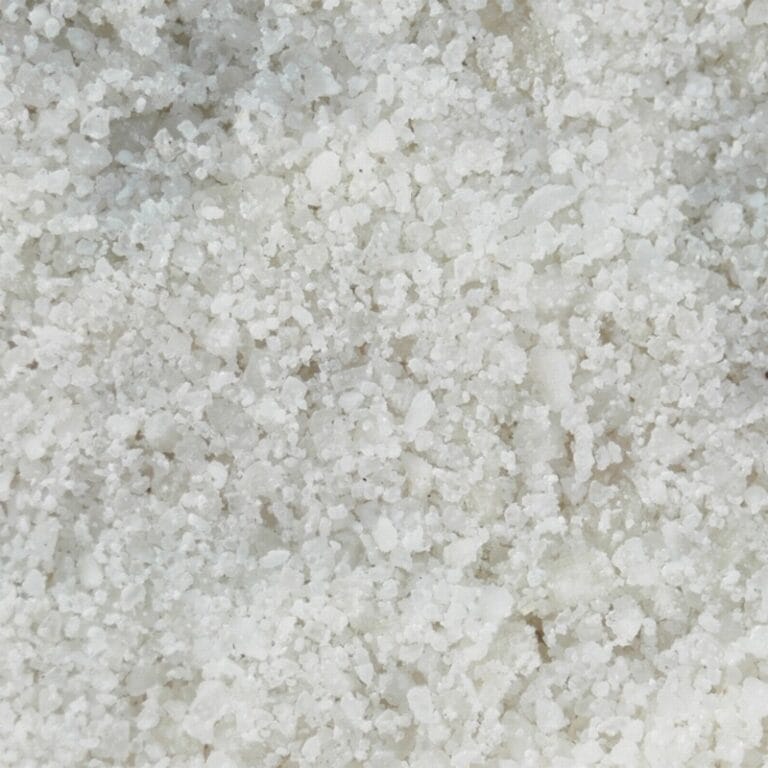
Rock Salt White
£8.65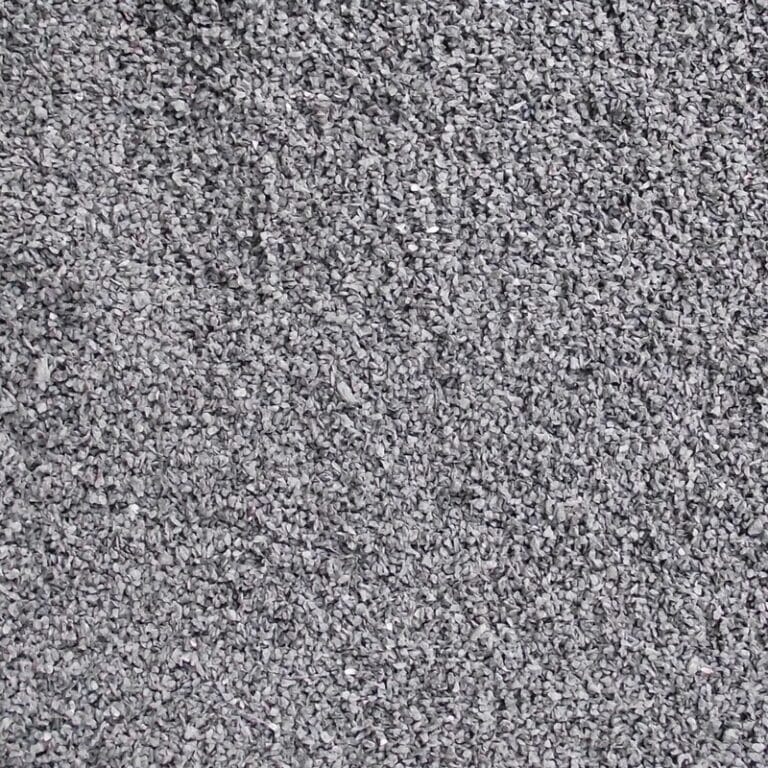
Jointing Aggregate
£7.20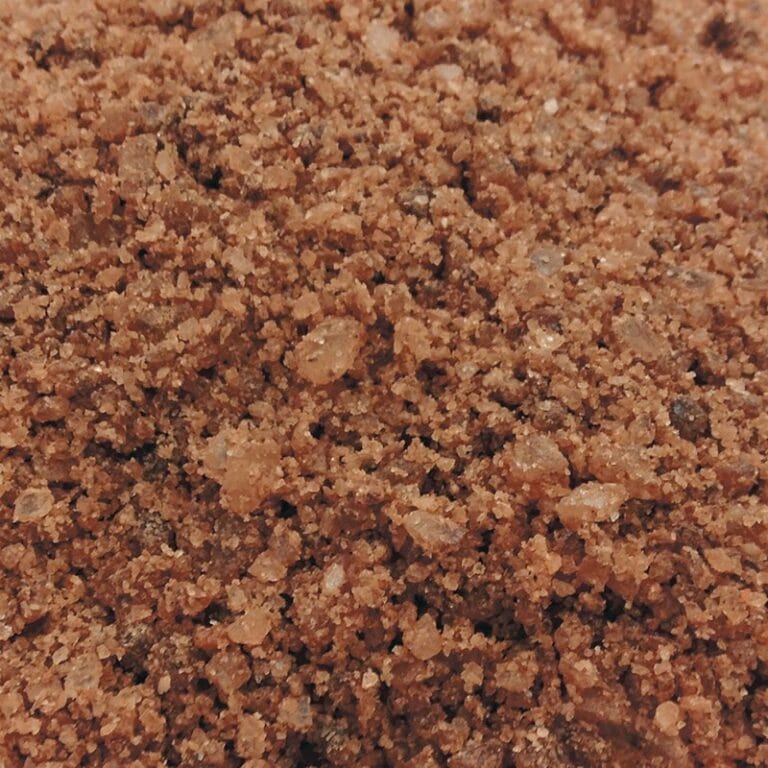
Rock Salt Pink
£7.45
Cold Lay Macadam
£16.95
Tile Adhesive
£29.05
Kiln Dried Sand
£6.90
Goldpath Self Binding ...
£164.17
Building sand
From: £4.46
Sharp sand
From: £4.11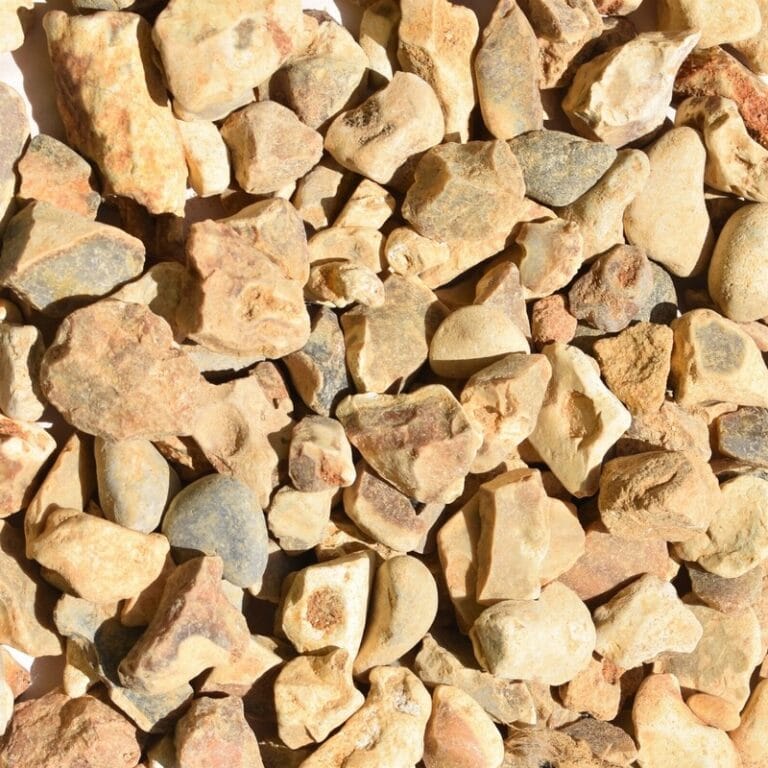
20mm shingle gravel
From: £4.46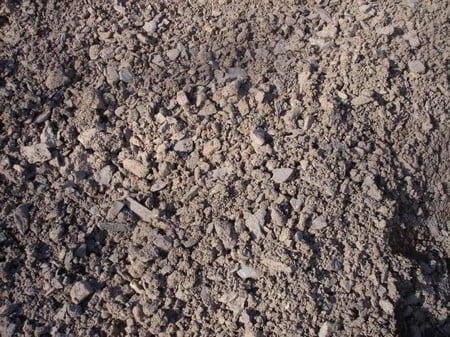
Scalpings
From: £4.11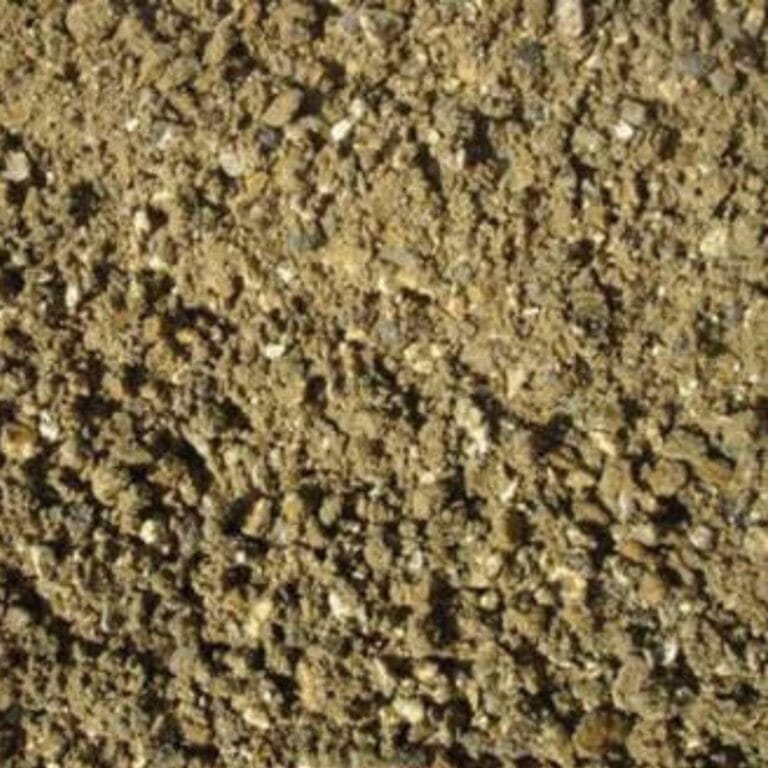
Ballast
From: £4.11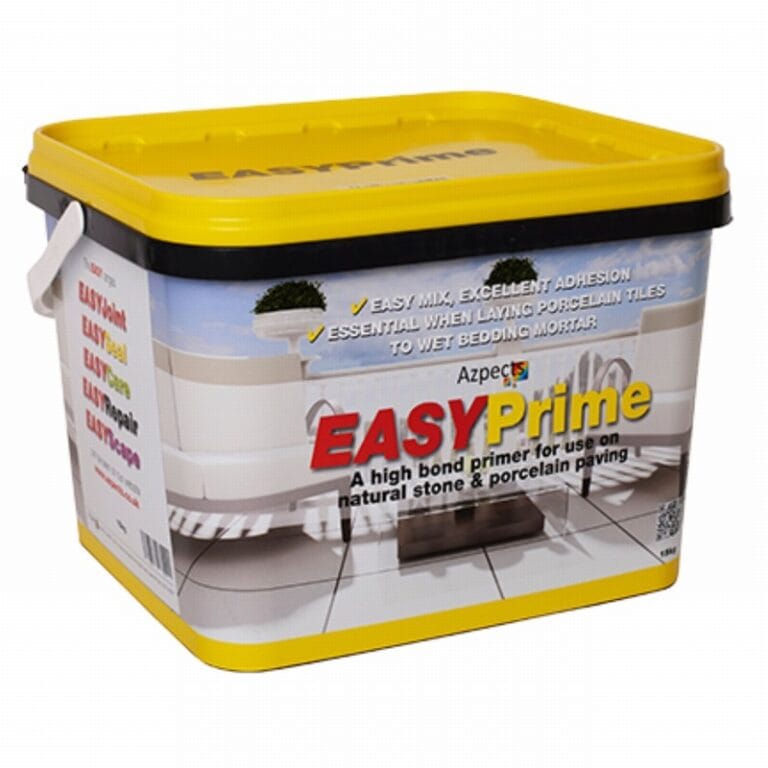
EASY Prime 15kg
£47.80
Fast Set Cement
£17.95
Mortar Mix
£7.75
Post Mix
£7.10
Pro-Prime Slurry Prime...
£38.40
Cement
£9.20