









How to choose the right topsoil for your garden
What is the best topsoil for your garden?
The best topsoil depends on your project. For general gardening, a screened loam topsoil with balanced nutrients and good drainage is ideal. For lawns, finer screened blends work best. For vegetable beds, compost-enriched topsoil improves moisture retention and plant health.
Healthy soil is the foundation of every thriving garden. Whether you’re creating new flower beds, levelling a lawn or improving poor ground, the right topsoil can make all the difference. But with so many options available, how do you know which type to choose?
This simple guide explains how to choose the best topsoil for your garden, depending on your project and soil needs.
Choosing your perfect topsoil
When selecting topsoil, consider:
Purpose:
- Planting beds or vegetables? Choose nutrient-rich, compost-blended topsoil.
- Lawn levelling or overseeding? Use a fine, screened dressing.
- Infilling or groundwork? A coarser screened soil is suitable.
Texture:
- Fine-screened soils (3–10mm) are ideal for lawns and beds.
- Coarser soils (10–20mm) work well for infilling and general landscaping.
Drainage:
- Sandy soils drain well
- Compost-rich blends retain moisture
Nutrients:
- Organic matter improves fertility, microbial life, and root development.
With the right topsoil, you’ll give your garden the strong foundation it deserves.
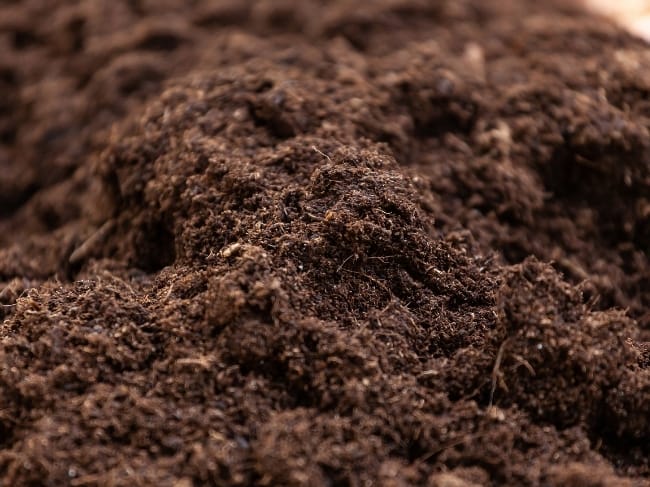
Best topsoil for general garden use: Locally Sourced Topsoil
Our Locally Sourced Topsoil is a reliable all-rounder, perfect for general gardening and infilling. This 10-20mm screened reclaimed soil is enriched with a soil conditioner for healthy plant growth, while its sand and stone content ensures excellent drainage and aeration.
- Ideal for general gardening
- Suitable for infilling
- Good drainage properties
Related product
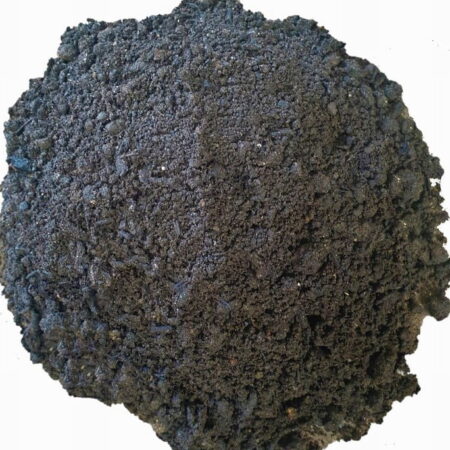
Locally Sourced Topsoil
From: £24.55Select options This product has multiple variants. The options may be chosen on the product page
Related product
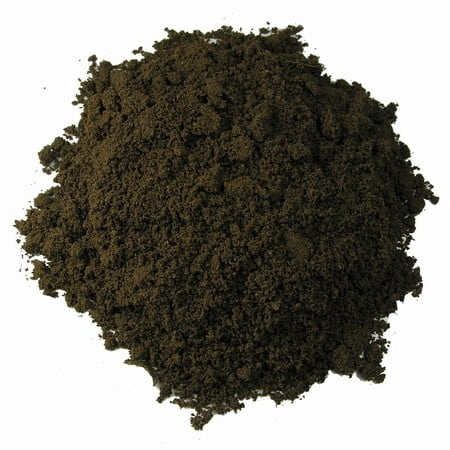
Norfolk Loam Topsoil
From: £5.00Select options This product has multiple variants. The options may be chosen on the product page
Best topsoil for larger landscaping projects: Norfolk Loam Topsoil
For larger groundworks or landscaping projects, Norfolk Loam Topsoil is a premium, 10mm screened loam with a neutral pH suitable for most plants. Tested to BS 3882 standards, its ideal for improving poor-quality soil and ensuring a strong start for any project.
- Neutral pH
- BS 3882 certified
- Ideal for improving poor-quality soil
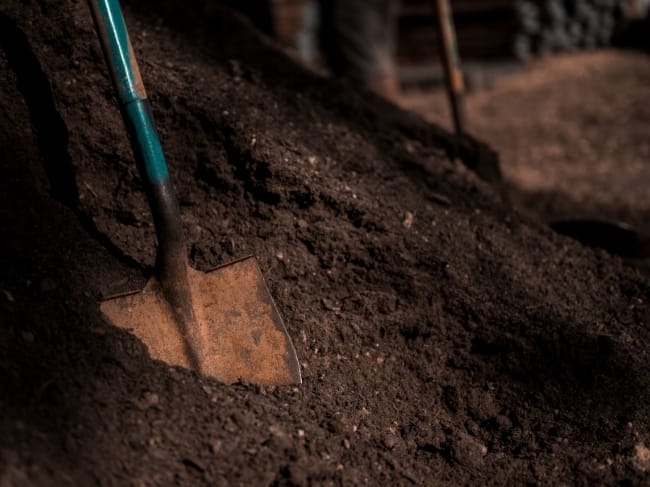
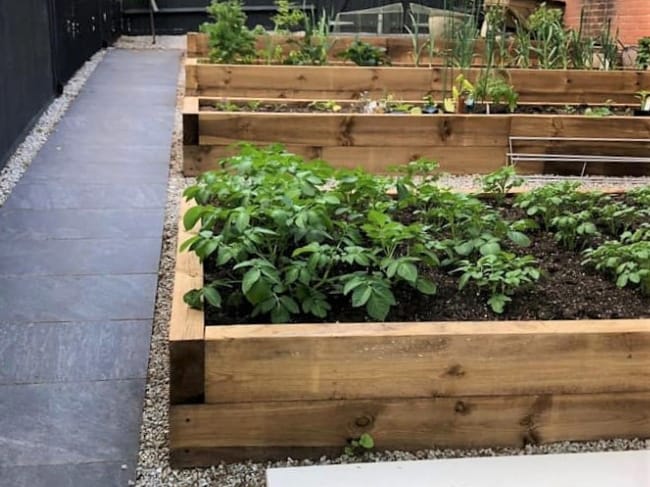
Best topsoil for flower beds or vegetable patches: Norfolk Biodress
Love growing your own food or adding colour to your garden? Norfolk Biodress is a premium blend for raised beds and pots, combining Norfolk Loam with peat-free compost for better moisture retention and workability. The added nutrients and organic matter support healthy plant growth.
- Enhanced organic content
- Excellent moisture retention
- Peat-free and environmentally responsible
Related product
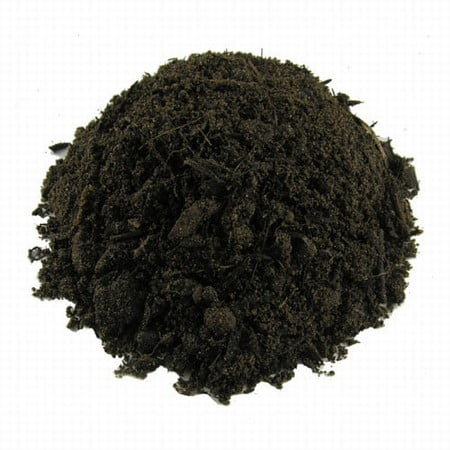
Norfolk Biodress (Raised Bed Mix) Topsoil
From: £5.60Select options This product has multiple variants. The options may be chosen on the product page
Related product
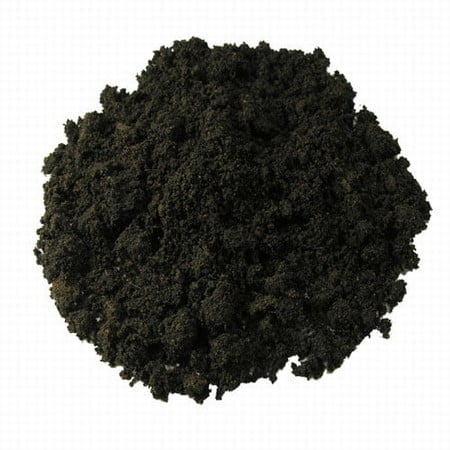
Norfolk Lawn Repair Mix
From: £7.10Select options This product has multiple variants. The options may be chosen on the product page
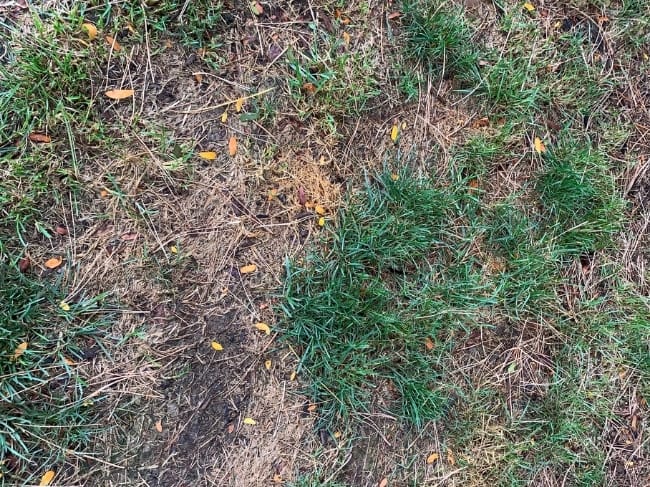
Best topsoil for repairing a patchy lawn: Norfolk Lawn Repair
Got a patchy or uneven lawn? Norfolk Lawn Repair Mix is perfect for overseeding and levelling. This 4mm screened blend enriches roots, improves aeration, and boosts new grass growth when used with hollow tining.
- Fine texture
- Encourages root establishment
- Improves lawn density
Best topsoil for a high-quality lawn finish: Norfolk Turf Dressing
For gardeners seeking a professional-looking lawn, Norfolk Turf Dressing delivers exceptional results. This 3mm screened blend of sports loam and PAS100 compost is easy to spread by hand or with a belt feed dresser.
- Fine professional finish
- Improves lawn structure
- Ideal for turf maintenance
Related product
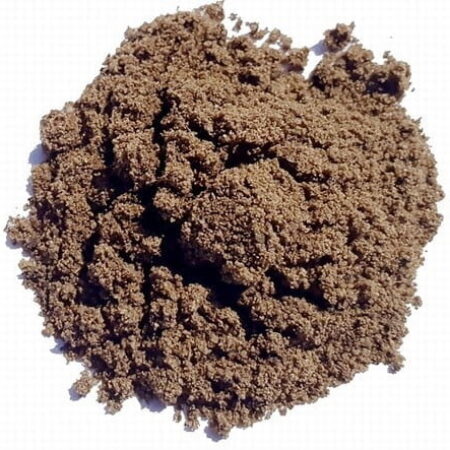
Norfolk Turf Dressing
From: £7.55Select options This product has multiple variants. The options may be chosen on the product page
Related products
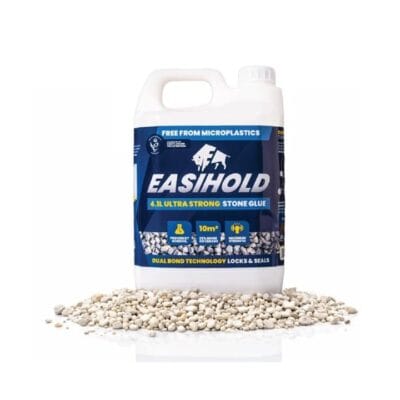
Vuba Easihold Stone Glue
From: £12.95
Contempo Soul Mid Grey...
£44.51
Contempo Soul White Po...
£44.51
Faithfull Essentials G...
£19.95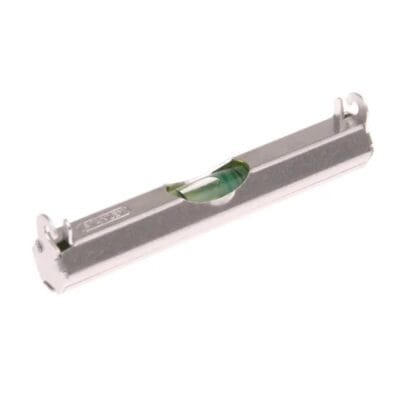
Stanley Line Level
£4.40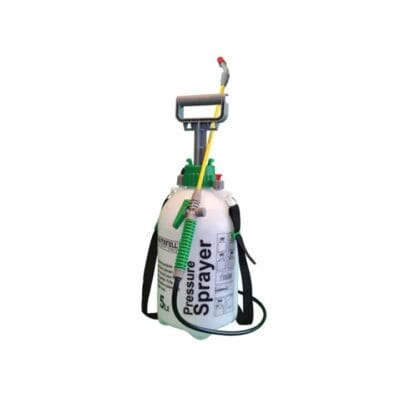
Faitrfull Pressure Spr...
£21.95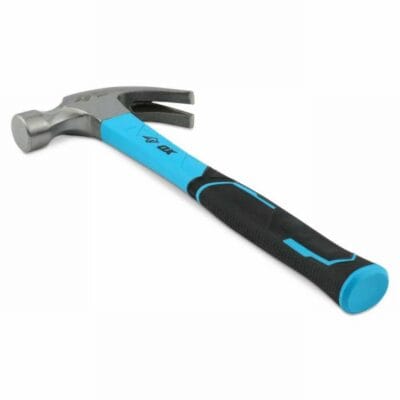
Ox Trade Fibregalss Ha...
£12.80
Addagrip Addabase (Add...
£155.56
DuraPost® SLEEPER T PO...
£55.95
Flat-Pro Twist-It System
From: £16.95
IN-LITE® FUSION recess...
£81.01
IN-LITE® FUSION 22 rec...
£58.80
IN-LITE® HYVE 22 reces...
£58.80
IN-LITE® HYVE recessed...
£81.01
Kilsaran Mellifont Ash...
From: £34.05
Kilsaran Mellifont Raven
£370.35
IN-LITE® FLUX 22 triml...
£67.50
IN-LITE® FLUX 22 reces...
£67.50
Cobble Block Grey Porc...
From: £2.35
Cobble Block Cream Por...
From: £2.35
Contempo Grand Slate O...
£56.95
Contempo Grand Slate C...
£56.95
Contempo Grand Slate G...
£56.95
Contempo Grand Slate L...
£56.95
Pro Kandla Grey Porcel...
£16.17
Contempo Chateau Cream...
£25.35
Contempo Charcoal Blac...
From: £34.95FAQs
What is the best topsoil for gardens?
For most home gardens, a nutrient-rich, screened loam topsoil like our Locally Sourced Topsoil is ideal. It balances drainage, nutrients, and structure for healthy plant growth.
How much topsoil do I need?
As a general rule, use about 10–15cm of topsoil for flower beds and vegetable gardens, or 5–10cm for lawn dressing and levelling.
What does BS 3882 mean?
BS 3882 is the British Standard for topsoil quality, ensuring it meets consistent criteria for pH, texture, contaminants, and nutrients. Topsoils tested to BS 3882 are safe and reliable for use in gardens and landscaping.
Is peat-free topsoil better?
Yes- peat-free topsoil is more sustainable and environmentally friendly. It retains moisture, improves soil structure, and supports biodiversity without harming peatland ecosystems. All of our topsoils are peat-free.