















































Sustainable garden materials for modern gardens
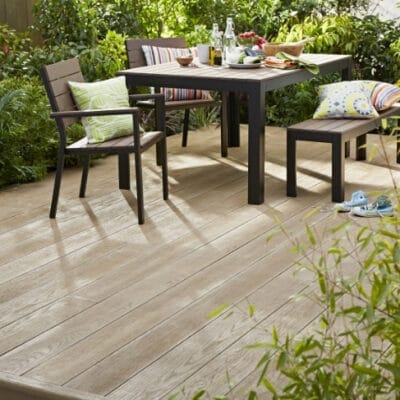
Modern garden design is all about clean lines, practical layouts and low-maintenance materials – but sustainability is becoming just as important as style. Whether you’re planning a full garden transformation or a smaller refresh, choosing environmentally conscious materials can help reduce waste, lower carbon impact and create a space that lasts for years to come.
Here are some of the best sustainable garden materials to consider for a contemporary outdoor space.
1 – Choose porcelain paving with longevity in mind
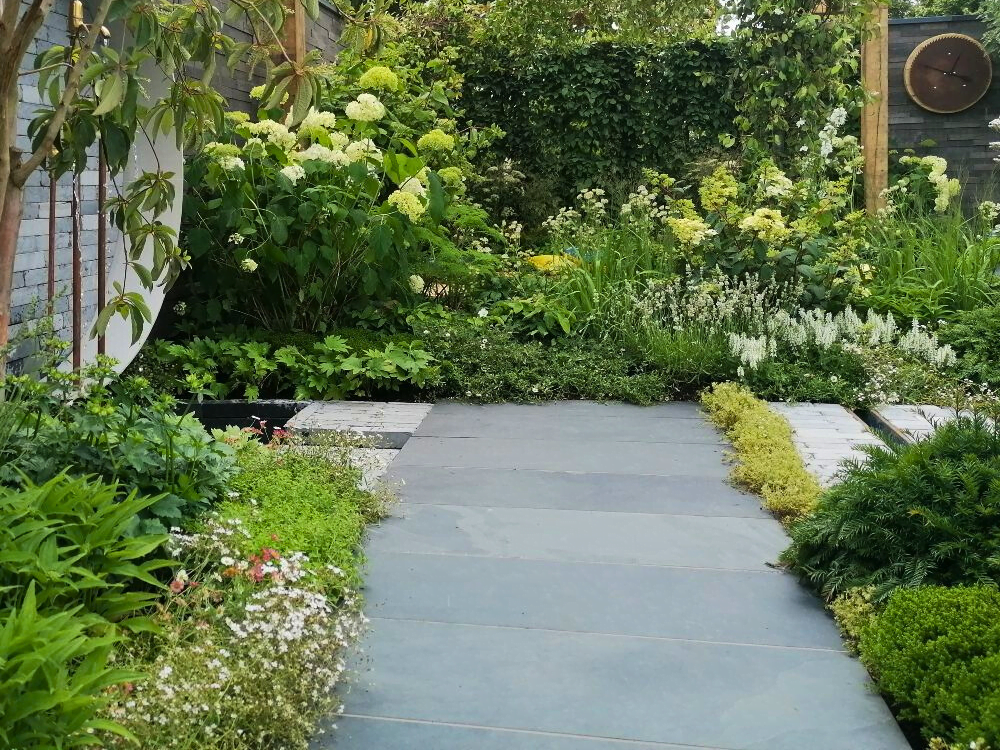
Porcelain paving has become one of the most popular choices for modern gardens thanks to its sleek appearance and durability.
While sustainability often focuses on recycled content or sourcing, lifespan matters too. Choosing paving that lasts for decades with minimal maintenance can significantly reduce replacement and waste over time.

2 – Use recycled and reclaimed materials
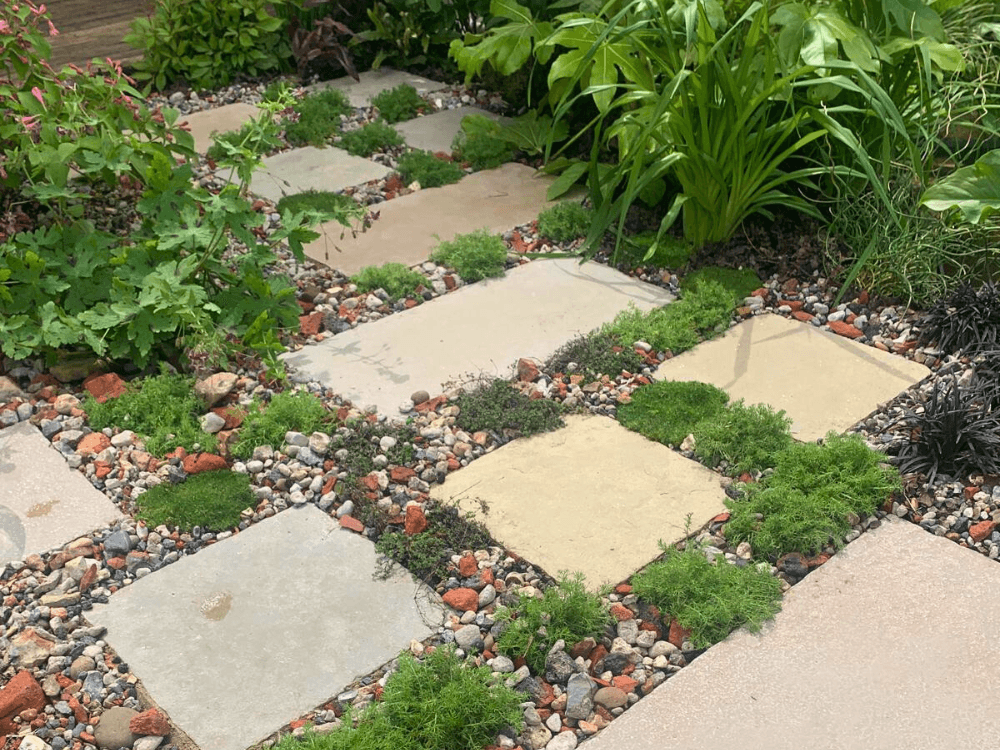
One of the simplest ways to make your garden more sustainable is by reusing materials wherever possible. Recycled and reclaimed products add character while reducing demand for new raw materials.
Sustainable options to consider
- Reclaimed paving and stone
- Recycled decorative aggregates
- Composite decking made from recycled plastics and wood fibres
Using recycled materials helps divert waste from landfill while giving your garden a more unique and established feel.

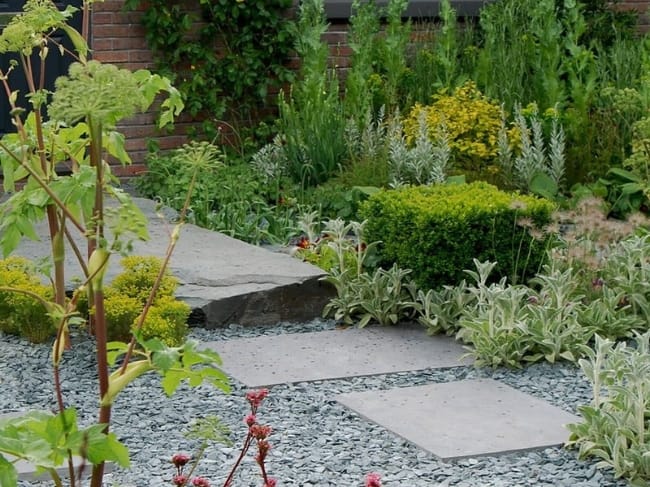
Blend old and new
Modern gardens don’t have to feel cold or minimal. Mixing reclaimed textures with contemporary materials creates contrast and adds personality to your outdoor space.
3 – Opt for sustainably sourced timber
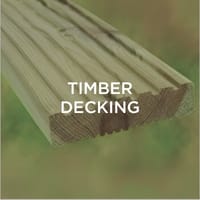
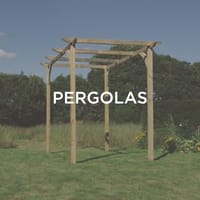
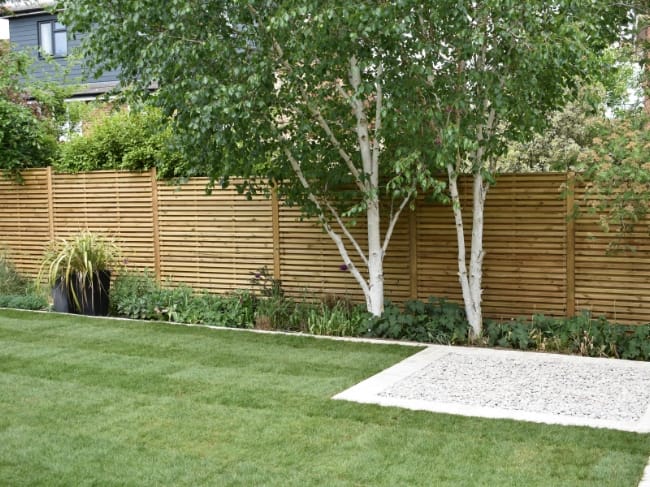
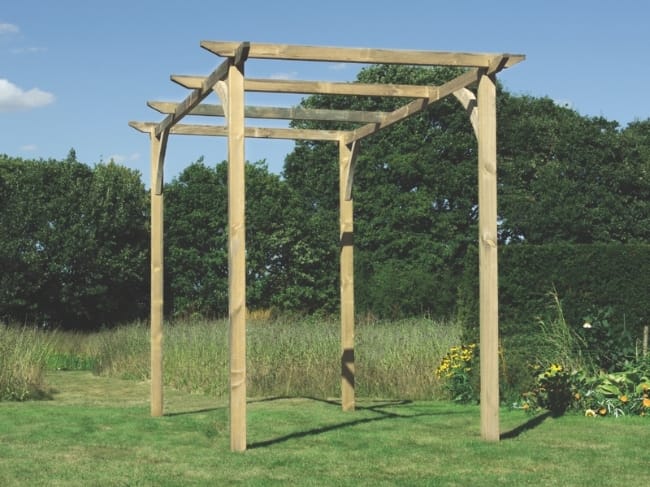
Timber brings warmth and softness into modern gardens, making it ideal for fencing, decking, pergolas and screening.
When choosing timber products, look for responsibly sourced materials from sustainably managed forests. This helps support long-term woodland management and reduces environmental impact.
Popular timber features in modern gardens
- Slatted fencing for privacy and style
- Pergolas to define seating areas
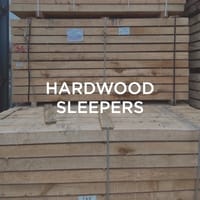
- Timber sleepers for raised planting beds
- Decking to create flexible entertaining spaces
Natural timber tones also work beautifully alongside porcelain paving and decorative stone.
Think long term
Investing in quality timber products often means they’ll last longer and require fewer replacements over time. Naturally durable woods can also reduce the need for heavy chemical treatments.
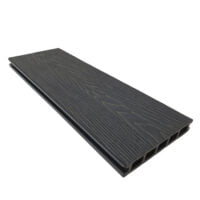
KDeck Deck Board Charc...
£31.55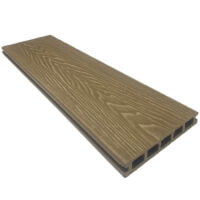
KDeck Deck Board Maple...
£31.55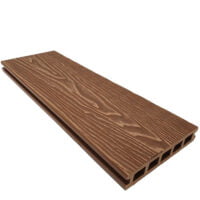
KDeck Deck Board Teak ...
£31.55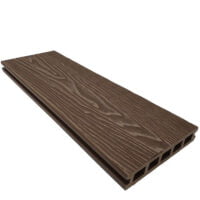
KDeck Deck Board Oak 3...
£31.55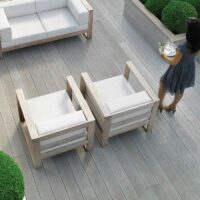
Millboard Enhanced Gra...
£100.32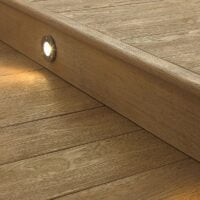
Millboard Fascia Board...
From: £81.84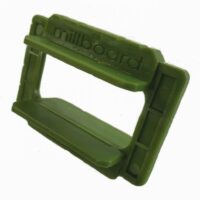
Millboard Multi-Spacer...
£14.64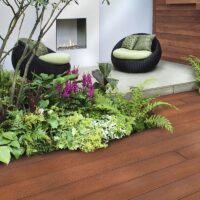
Millboard Enhanced Gra...
£100.32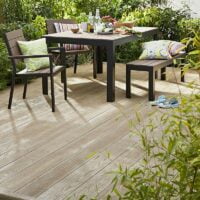
Millboard Enhanced Gra...
£100.32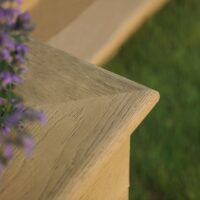
Millboard Bullnose Dec...
From: £105.12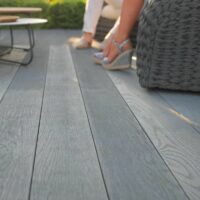
Millboard Enhanced Gra...
£100.32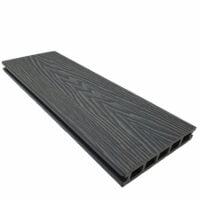
KDeck Deck Board Anthr...
£31.55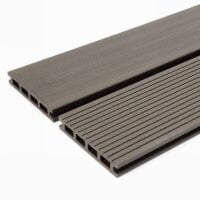
Saige Contemporary Cof...
From: £13.95
Millboard Subframe Hex...
£10.80
Millboard Durafix Fixings
From: £14.64
Millboard Duolift Jois...
£39.60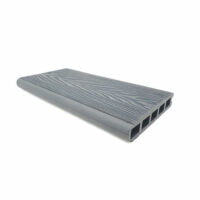
KDeck Bullnose Deck Bo...
From: £49.55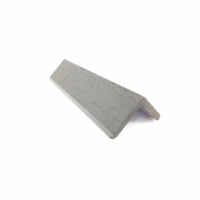
KDeck Decking Trim 3.6...
£15.75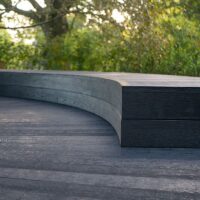
Millboard Enhanced Gra...
£106.32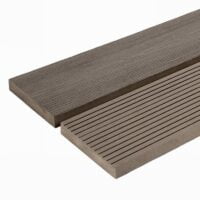
Saige Contemporary Cof...
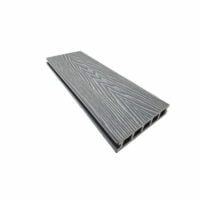
KDeck Deck Board Slate...
£31.55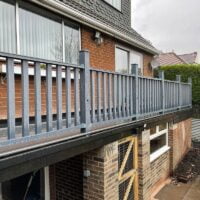
KDECK Composite Balust...
From: £9.10
Millboard Touch-Up Coa...
From: £19.44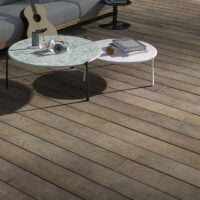
Millboard Enhanced Gra...
£106.32
Millboard Flexible Squ...
From: £83.04
Millboard Enhanced Gra...
£100.32
KDeck Fixings
£45.95
Millboard Plas-Pro 3m ...
£55.20
KDeck Deck Board Ash G...
£31.55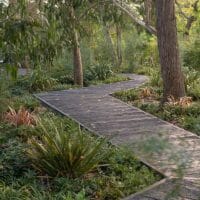
Millboard Weathered Oa...
£123.60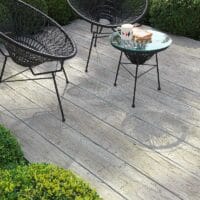
Millboard Weathered Oa...
£117.36
Millboard Plas-Pro 3m ...
£42.00
Millboard Plas-Pro Fas...
£20.40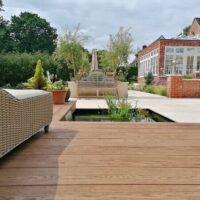
Millboard Enhanced Gra...
£100.32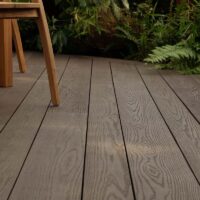
Millboard Enhanced Gra...
£106.32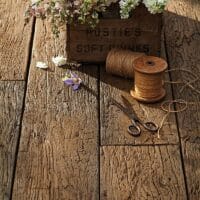
Millboard Weathered Oa...
£117.36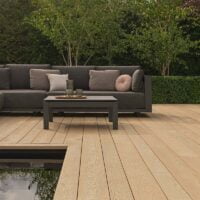
Millboard Enhanced Gra...
£106.32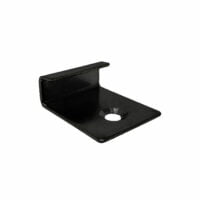
KDeck Starter Clips
£8.10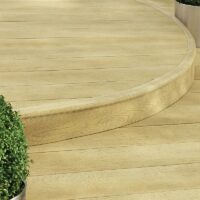
Millboard Flexible Bul...
From: £83.044 – Go permeable with gravel and aggregates
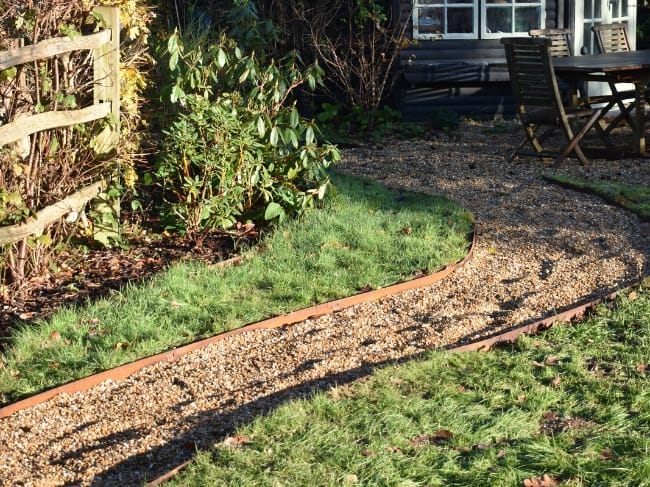
Permeable surfaces are becoming increasingly important in modern garden design, especially as extreme weather becomes more common.
Materials like gravel and decorative aggregates allow rainwater to drain naturally into the ground rather than increasing surface runoff.
Benefits of permeable materials
- Improved drainage
- Reduced pressure on drains and waterways
- Lower maintenance compared to paved areas
- A softer, more natural appearance
Decorative aggregates can also be used to break up larger paved spaces and add texture to minimalist garden layouts.

Ideal for contemporary designs
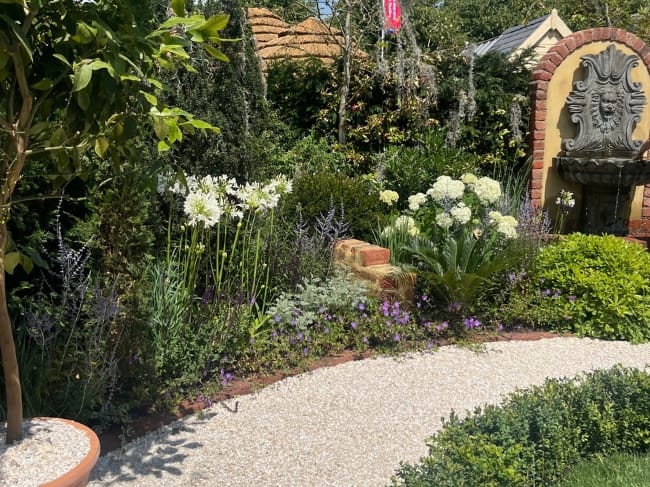
Light-coloured gravels and angular stones work especially well in modern gardens, helping reflect light and create contrast with greenery and darker paving.
5 – Include planting and wildlife friendly features
Sustainable garden design isn’t only about materials – it’s also about creating spaces that support biodiversity and connect with nature.
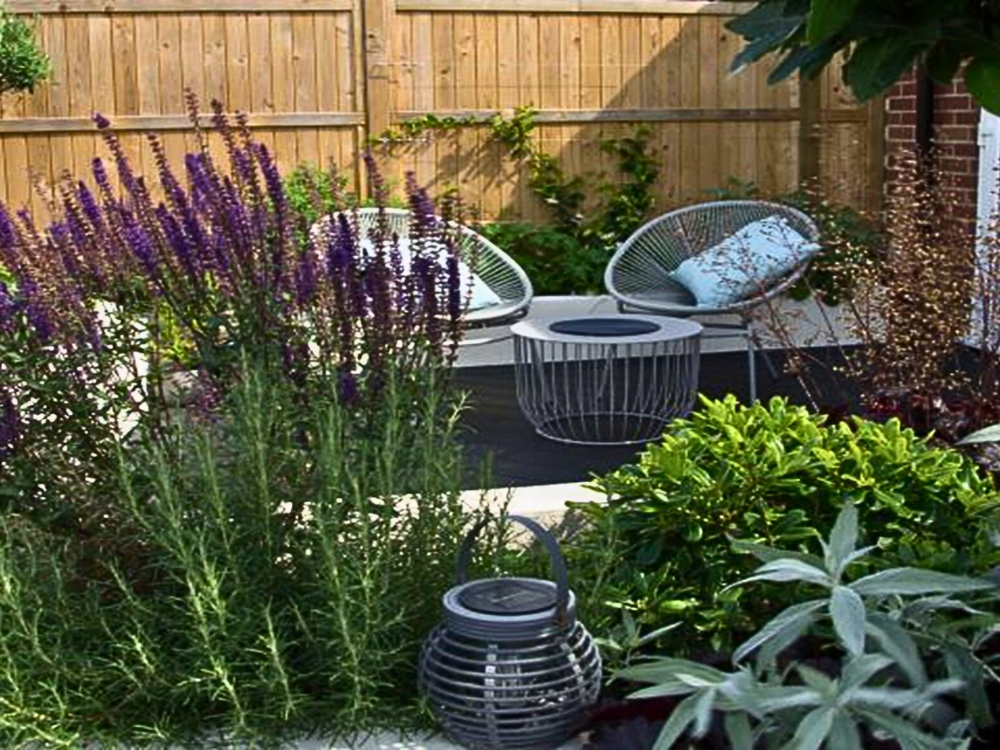
Adding planting to a modern garden softens hard landscaping and creates valuable habitats for birds, bees and pollinators.
Easy ways to support wildlife
- Use peat-free compost
- Include native plants where possible
- Add raised planters or green borders
- Create sheltered areas with logs or stone features
- Install hedging or climbers alongside fencing
Even small additions can make a big difference to local wildlife while improving the overall look and feel of your garden.
Build a garden designed to last
Sustainability and modern design work perfectly together. By choosing durable materials, recycled products, permeable surfaces and responsibly sourced timber, you can create an outdoor space that is both stylish and environmentally conscious.
The best sustainable gardens are designed with longevity in mind – creating spaces that not only look good today, but continue to perform beautifully for years to come.
Whether you’re updating a patio, replacing fencing or planning a complete redesign, thoughtful material choices can help you build a garden that’s practical, contemporary and kinder to the planet.
FAQs
What are the most sustainable materials for a garden?
Some of the most sustainable garden materials include reclaimed paving, recycled aggregates, responsibly sourced timber, permeable gravel and composite decking made from recycled materials. Choosing durable products that last longer can also reduce environmental impact over time.
Is porcelain paving environmentally friendly?
Porcelain paving can be a sustainable choice due to its long lifespan, low maintenance requirements and durability. Many manufacturers are also reducing carbon emissions during production and increasing recycled content within their products. Where we can, we publish Environmental Product Declarations with full details of each product’s carbon impact.
What is permeable paving?
Permeable paving allows water to drain naturally through the surface and into the ground below. They help reduce surface runoff and support better drainage.
Are composite decking boards sustainable?
Many composite decking products are made using recycled wood fibres and recycled plastics, making them a more sustainable alternative to traditional decking materials. They also require less maintenance and have a long lifespan.
How can I make my garden more wildlife friendly?
You can support wildlife by including native planting, using peat-free compost, adding pollinator-friendly flowers, creating habitats such as log piles and incorporating hedges or trees into your garden design.